

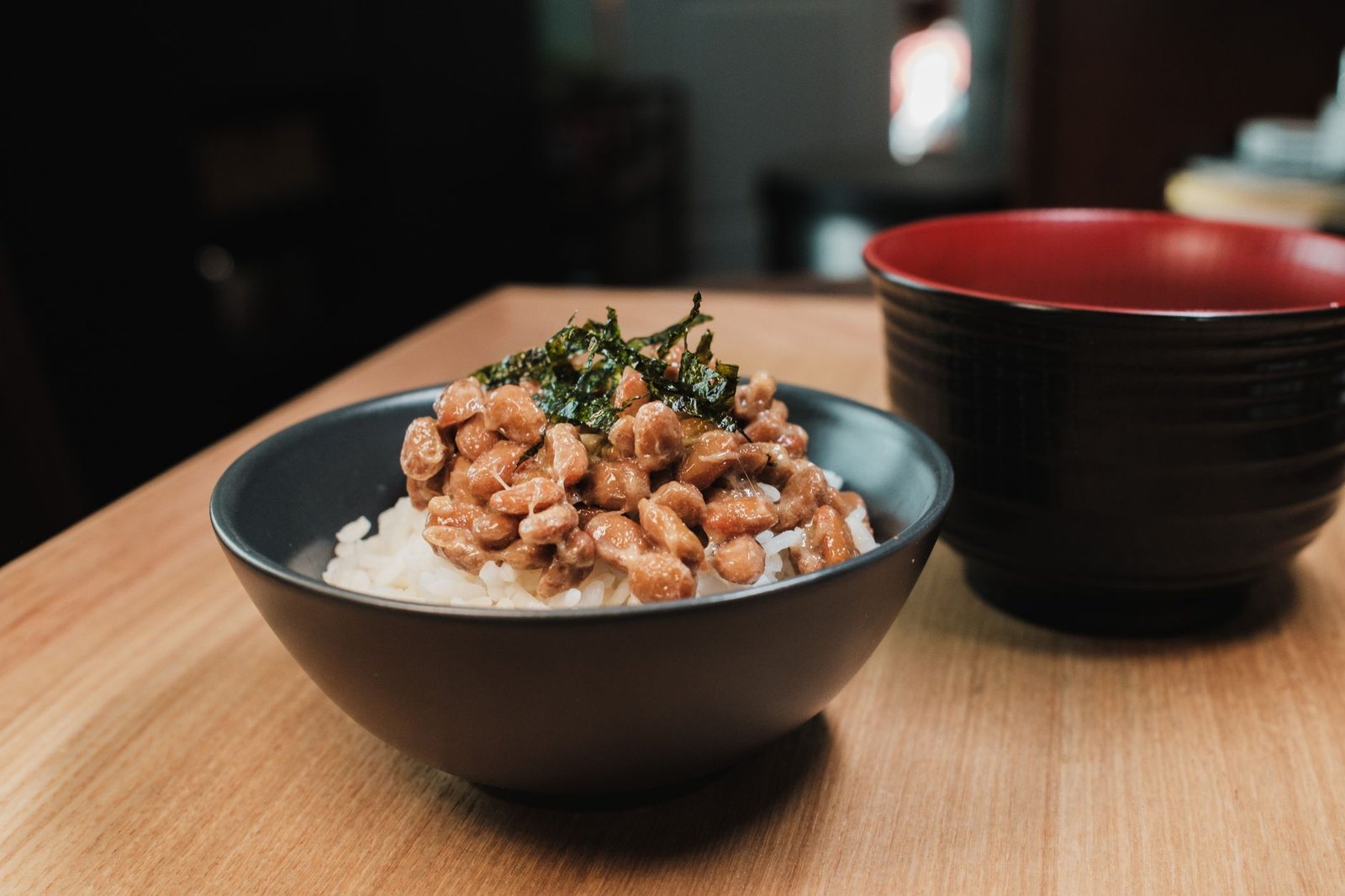

The culinary landscape of Japan offers a remarkably diverse array of flavors, textures, and centuries-old preparation methods that reflect the nation’s deep appreciation for seasonal ingredients and aesthetic presentation. When embarking on an international journey to this East Asian archipelago, navigating the vast array of dining options can feel overwhelming for newcomers. Understanding the foundational elements of washoku, the traditional dietary culture of Japan recognized by UNESCO, provides travelers with a framework to appreciate how geography, history, and philosophy merge on the dining plate.
Local eateries range from quiet, centuries-old family-run noodle shops tucked into narrow alleyways to bustling open-kitchen counters where master chefs demonstrate decades of knife-handling mastery. Regional differences across the four main islands ensure that culinary exploration changes dramatically from the snowy northern prefecture of Hokkaido down to the sub-tropical shores of Okinawa. Engaging meaningfully with this gastronomic heritage involves looking beyond familiar international adaptations to experience authentic flavors prepared according to time-honored techniques.
The Foundations of Washoku and Regional Diversity
Washoku centers on a deep respect for nature, emphasizing fresh, seasonal ingredients that highlight the natural flavors of seafood, vegetables, and rice rather than masking them with heavy sauces. This culinary tradition relies heavily on dashi, a foundational umami-rich broth made from kombu kelp and katsuobushi dried bonito flakes, which serves as the backbone for countless soups, simmered dishes, and noodle broths. Geography plays a vital role in shaping these regional profiles, as coastal communities prioritize the day’s fresh ocean catch, while mountainous inland regions lean toward preserved vegetables, freshwater fish, and hearty hot pot preparations.
Travelers exploring different prefectures quickly notice how climatic variations dictate regional specialties. For instance, northern regions feature rich, miso-based broths designed to combat freezing winter temperatures, whereas southern prefectures incorporate vibrant citrus fruits and pork-heavy dishes influenced by historical trade routes. Grasping this geographical context transforms a standard meal into an educational experience about the environment and history of the local community.
Iconic Noodle Dishes: Ramen, Soba, and Udon
Noodles represent a cornerstone of daily dining across Japan, with distinct regional styles and preparation methods that have evolved over generations. Ramen, originally imported from China but thoroughly reinvented locally, features wheat noodles served in a deeply savory meat or fish-based broth, typically flavored with soy sauce, miso, or salt, and garnished with sliced pork, nori, and bamboo shoots. Soba noodles, crafted from nutritious buckwheat flour, offer a nutty flavor profile and are traditionally enjoyed either chilled with a dipping sauce or warm in a light dashi broth. Udon noodles provide a contrasting texture, prized for their thick, chewy consistency made from wheat flour, salt, and water, usually served in a hot, clear broth known as kakejiru.
- Ramen: Known for rich, slow-simmered broths and springy noodles, varying from the creamy tonkotsu of Hakata to the clear shoyu broths of Tokyo.
- Soba: Made from earthy buckwheat, highlighting subtle aromas and textures, often served with a bamboo mat during warmer months.
- Udon: Thick, comforting wheat noodles offering a satisfying chew, frequently paired with tempura or scallions.
Mastering noodle etiquette is part of the cultural immersion, where slurping is not considered rude but rather a sign of appreciation that aerates the broth and cools the hot noodles simultaneously.
Sushi and Sashimi: Precision and Purity
Sushi and sashimi stand among the most internationally recognized symbols of Japanese gastronomy, yet their true depth is often misunderstood outside of specialized dining rooms. Sashimi consists of exceptionally fresh raw fish or seafood sliced skillfully into bite-sized portions, served simply with soy sauce and freshly grated wasabi to elevate the natural sweetness of the catch. Sushi specifically refers to seasoned vinegared rice paired with various ingredients, most commonly raw or cooked seafood, vegetables, and occasionally egg. Edomae-style sushi, developed in Tokyo during the Edo period, utilizes preservation techniques such as curing with salt or vinegar before refrigeration technology existed, creating a legacy of precise flavor balancing.
| Food Type | Primary Ingredients | Common Preparation Method | Flavor Profile |
|---|---|---|---|---|
| Sashimi | Raw fish, seafood | Precision slicing | Fresh, clean, oceanic | |
| Sushi | Vinegared rice, seafood, nori | Hand-pressing or rolling | Tangy, savory, balanced | |
| Tempura | Seafood, seasonal vegetables | Batter-dipping and deep-frying | Crispy, light, savory | |
| Yakitori | Bite-sized chicken pieces | Skewering and charcoal-grilling | Smoky, savory, charred |
Experiencing these dishes at a traditional counter allows diners to observe the meticulous knife work and rice-shaping techniques passed down through generations of apprentices. The temperature of the rice, the exact pressure applied during hand-forming, and the precise timing of the fish selection all contribute to the final harmony of flavors.
Comfort Foods: Tempura, Tonkatsu, and Izakaya Fare
Beyond raw fish and noodles, everyday comfort foods offer profound insight into the comfort-driven, home-style cooking of the country. Tempura involves coating seafood and seasonal vegetables in a delicate, ice-cold batter before plunging them briefly into clean hot oil, yielding a remarkably light and crisp exterior without grease. Tonkatsu presents a thick pork cutlet coated in fine panko breadcrumbs and deep-fried to golden perfection, typically served alongside shredded cabbage and a savory Worcestershire-style fruit sauce. Izakaya establishments, casual drinking pubs, serve a wide variety of small plates designed to be shared among groups, ranging from grilled skewered chicken known as yakitori to edamame, potato salad, and crisp fried tofu.
- Tempura: Lightly battered, crisp vegetables and seafood fried to preserve natural moisture and texture.
- Tonkatsu: Breaded and deep-fried pork cutlets offering a crunchy exterior and tender, juicy interior.
- Izakaya Small Plates: Diverse sharing plates including skewered meats, pickled vegetables, and grilled seafood items.
These casual dining environments encourage experimentation, allowing visitors to sample numerous smaller dishes in a single sitting rather than committing to a single large entree.
Sweet Endings: Wagashi and Matcha Culture
No culinary exploration is complete without examining the traditional sweets and beverage traditions that punctuate meals or accompany quiet afternoon breaks. Wagashi are traditional confectionery items crafted meticulously from plant-based ingredients such as sweet azuki bean paste, rice flour, and agar, often shaped to mirror seasonal flora and fauna like cherry blossoms or autumn leaves. These delicate sweets are intentionally designed to balance the assertive bitterness of matcha, a finely ground powder of specially grown and processed green tea leaves whisked into hot water. The ceremonial preparation of matcha emphasizes mindfulness, grace, and appreciation for the present moment, perfectly aligning with the broader philosophical underpinnings of Japanese hospitality and dining culture.
Frequently Asked Questions
What is the best way to order food when dining in places without English menus?
Pointing politely to items on display models in the window, using translation applications, or asking staff for recommendations using simple phrases can bridge the communication gap effectively. Many establishments feature vending machine ticketing systems with photographic illustrations where visitors purchase meal vouchers before entering.
Is it customary to leave tips at restaurants in Japan?
Tipping is not practiced in Japan and can sometimes cause confusion or discomfort for service staff, who may chase customers down the street to return forgotten change. Exceptional service is considered a standard expectation of hospitality rather than something that requires monetary reinforcement.
How are dietary restrictions handled in traditional dining establishments?
Navigating dietary needs requires preparation, as dashi broth containing fish flakes and soy sauce containing wheat are foundational ingredients in many dishes. Carrying translation cards detailing specific allergies or restrictions helps communicate requirements clearly to kitchen staff.
What distinguishes high-end kaiseki dining from casual meals?
Kaiseki represents the pinnacle of multi-course traditional dining, showcasing seasonal ingredients through rigorous preparation methods that span steaming, simmering, grilling, and raw presentations. Each course is carefully curated to offer balance in taste, texture, color, and arrangement.
Conclusion
Navigating the culinary landscape of Japan reveals a profound dedication to craftsmanship, seasonality, and deep respect for natural ingredients that transforms ordinary meals into memorable cultural experiences. From the comforting warmth of a steaming bowl of artisanal ramen to the precise elegance of a hand-pressed piece of Edomae sushi, every dish tells a story about geography, climate, and historical tradition. Embracing local dining etiquette, exploring casual neighborhood izakayas, and sampling seasonal wagashi alongside whisked matcha allows travelers to connect authentically with the everyday life of the communities they visit. Approaching this gastronomic journey with curiosity and an open mind ensures a rewarding adventure that lingers in memory long after returning home.
Featured Image Credit: Generated/Sourced via Unsplash.
Disclaimer: This article is AI-generated for informational and educational purposes. While we strive to provide high-quality context and authority, the content should not be used as professional advice. The author/website assumes no liability for external links or factual omissions.