

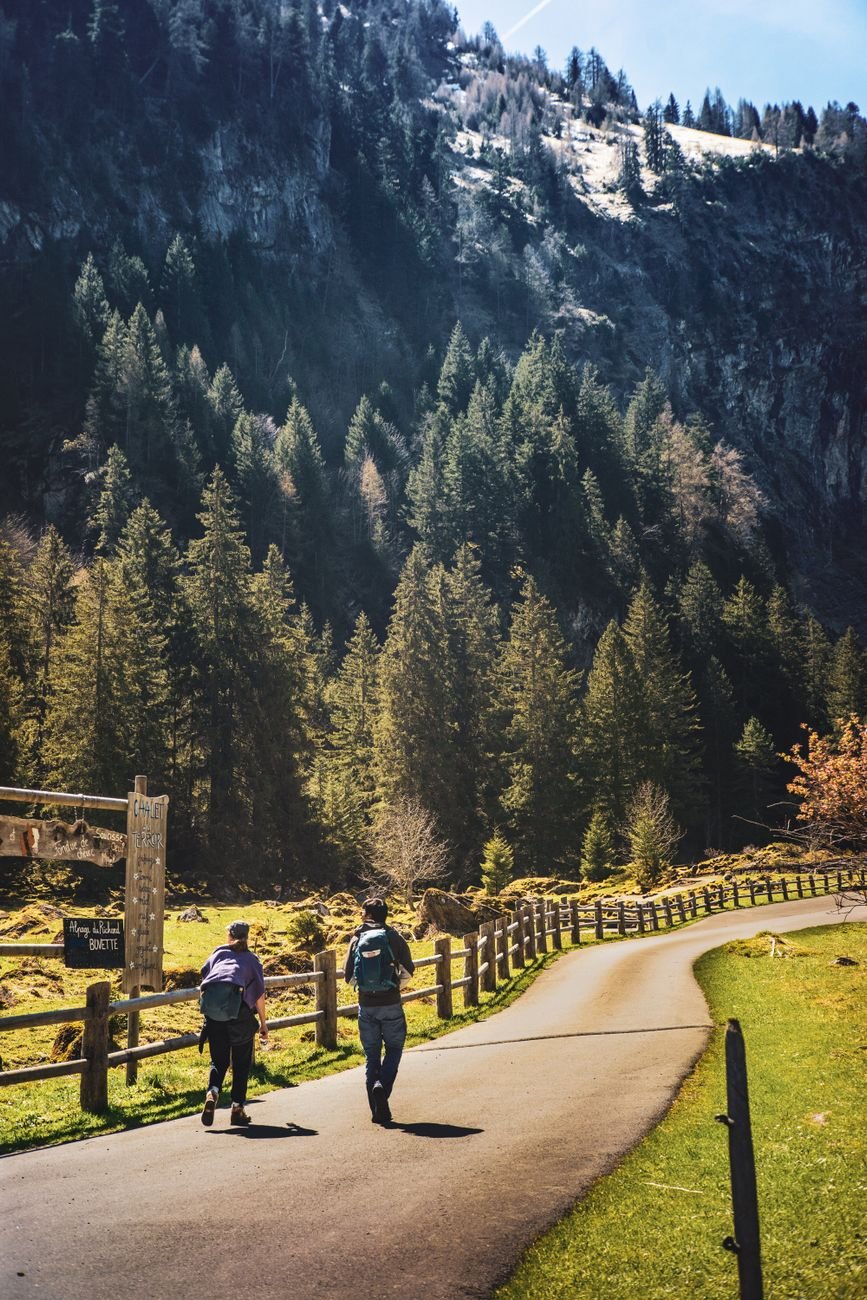

Swiss landscapes rarely fail to capture the imagination of travelers seeking alpine romance, yet the destination carries a reputation for prohibitive costs. Organizing a 7 day Switzerland itinerary on a budget for couples requires strategic planning, precise timing, and a clear understanding of where expenditures can be minimized without sacrificing the quality of the experience. Switzerland operates as one of the most efficient travel destinations globally, meaning that public transit networks, municipal museums, and outdoor recreational areas are exceptionally well-maintained and frequently accessible to those who know how to navigate local pricing structures. Couples planning a getaway can bypass luxury resort markups by focusing on regional charm, self-catering accommodations, and discounted transport passes that unlock the majestic valleys and soaring peaks of the Swiss Confederation.
Decoding the Swiss Transit Network for Couples
Mastering the rail and bus infrastructure is the single most effective method for controlling expenses during a week-long journey. The Swiss Federal Railways system offers comprehensive coverage, and visitors can leverage network-wide passes such as the Swiss Travel Pass or regional alternatives like the Bernese Oberland Pass to drastically reduce daily transit expenditures. Purchasing point-to-point tickets individually often results in inflated costs, whereas multi-day passes permit unlimited travel across trains, buses, and boats. Additionally, children under a certain age travel free with parents holding valid tickets, and couples can find great value in half-fare cards if their travel is concentrated in a specific geographic sector. Walking and utilizing urban public bicycles further eliminate the need for costly taxi services within cities like Zurich, Bern, and Lucerne, where municipal transport cards are frequently provided complimentary with hotel or hostel registrations.
Strategic Destination Selection: Where to Stay and What to See
Balancing romance with fiscal responsibility involves choosing destinations that offer dramatic alpine scenery without the inflated price tags associated with elite resort towns like Zermatt or St. Moritz. Opting for bases like Interlaken, Lauterbrunnen, or smaller lakeside villages in the Lucerne region provides equal access to world-class hiking, glacier viewing, and historical exploration at a fraction of the cost.
The Interlaken and Lauterbrunnen Valley Base
Positioned between two pristine lakes and framed by towering snow-capped peaks, the Interlaken region serves as an optimal hub for affordable alpine adventures. Staying in neighboring valley villages such as Lauterbrunnen or Grindelwald places couples directly beneath dramatic cliff faces and roaring waterfalls. Accommodation options here range from traditional guesthouses to well-appointed campsites and budget-friendly alpine lodges. Day trips to panoramic viewpoints like Schynige Platte or Harder Kulm offer sweeping vistas that rival the most expensive cable cars, while remaining accessible via discounted mountain railways.
Cultural Immersion in Lucerne and Central Switzerland
Lucerne blends medieval architecture with deep blue lake waters, providing a deeply romantic atmosphere that can be enjoyed entirely on foot. Strolling across the historic Chapel Bridge, exploring the Musegg Wall towers, and relaxing along the lakeside promenade incur zero admission fees. Couples seeking elevated views can substitute expensive funiculars with rigorous yet rewarding hikes up nearby Mount Rigi or Mount Pilatus, where trail networks are meticulously marked and free to the public. Purchasing picnic supplies from local supermarkets such as Migros or Coop allows travelers to enjoy gourmet meals against a backdrop of alpine peaks for a fraction of restaurant prices.
Cost Comparison of Swiss Travel Strategies
| Expense Category | Luxury Approach (Per Day) | Budget Approach (Per Day) |
|---|---|---|
| Accommodation | $400 – $800 (5-star hotels) | $100 – $180 (Guesthouses, apartments) |
| Dining | $150 – $300 (Fine dining restaurants) | $40 – $70 (Supermarket picnics, bakeries) |
| Transportation | $80 – $150 (Private transfers, first-class trains) | $35 – $55 (Regional rail passes, walking) |
| Activities | $100 – $250 (Private guides, heli-tours) | $0 – $30 (Self-guided hikes, free museums) |
Gastronomic Adventures on a Budget
Dining out in Switzerland is notoriously expensive, with standard restaurant meals easily exceeding local budgets. However, experiencing authentic Swiss cuisine does not require booking high-end tables. Bakeries offer fresh pretzels, traditional pastries, and savory tarts that serve as satisfying lunch options. Supermarket chains feature extensive sections of pre-made regional salads, local cheeses like Gruyère and Emmentaler, and fresh bread, making outdoor dining by a lake or mountain meadow both affordable and scenic. For couples wanting to sample traditional fondue or raclette, checking local neighborhood spots away from primary tourist squares or purchasing ready-to-heat fondue sets from grocery stores provides an authentic culinary experience at a fraction of the cost.
Maximizing Free and Low-Cost Activities
A successful 7 day Switzerland itinerary on a budget for couples relies heavily on capitalizing on natural attractions that require no entrance fees. Switzerland’s vast network of hiking trails spans tens of thousands of kilometers, connecting alpine meadows, crystal-clear glacial lakes, and dense forests. Engaging in self-guided hikes eliminates tour operator markups while offering intimate encounters with local flora and fauna. Many historic towns feature free municipal walking tours, and several public museums open their doors without charge on specific days of the month. Utilizing public swimming areas along lakes like Lake Geneva, Lake Thun, or Lake Lucerne provides refreshing relaxation during warmer months without the entrance fees associated with private beach clubs.
Frequently Asked Questions
How much money should a couple budget for a week in Switzerland?
A realistic budget for two travelers utilizing cost-saving strategies ranges between $150 and $250 per day total, covering modest accommodation, public transit passes, supermarket groceries, and free or low-cost outdoor activities.
Is it possible to see the Swiss Alps without booking expensive cable cars?
Yes, numerous alpine regions feature extensive hiking trail networks that lead to panoramic viewpoints, high-altitude passes, and glacial valleys without requiring paid mechanical lifts.
What is the most cost-effective time of year to visit Switzerland?
The shoulder seasons—specifically May to June and September to October—offer pleasant weather, fewer crowds, and significantly lower rates for accommodation and transport compared to the peak winter ski season or high summer months.
How can couples save money on food while traveling through Switzerland?
Purchasing meals at local supermarkets, buying fresh pastries from neighborhood bakeries, and packing picnic lunches to enjoy during outdoor excursions drastically reduces daily dining expenses.
Conclusion
Crafting a memorable alpine escape proves entirely achievable when applying careful financial planning and resourceful navigation to a 7 day Switzerland itinerary on a budget for couples. By prioritizing public transit networks, embracing self-catered dining with local market ingredients, and focusing on the boundless natural beauty of accessible hiking trails and historic towns, travelers can experience the majesty of the Swiss Confederation without financial strain. Thoughtful preparation transforms what might initially appear as an unattainable luxury destination into an approachable, deeply rewarding romantic adventure defined by breathtaking landscapes and shared moments of discovery.
Featured Image Credit: Generated/Sourced via Unsplash.
Disclaimer: This article is AI-generated for informational and educational purposes. While we strive to provide high-quality context and authority, the content should not be used as professional advice. The author/website assumes no liability for external links or factual omissions.