

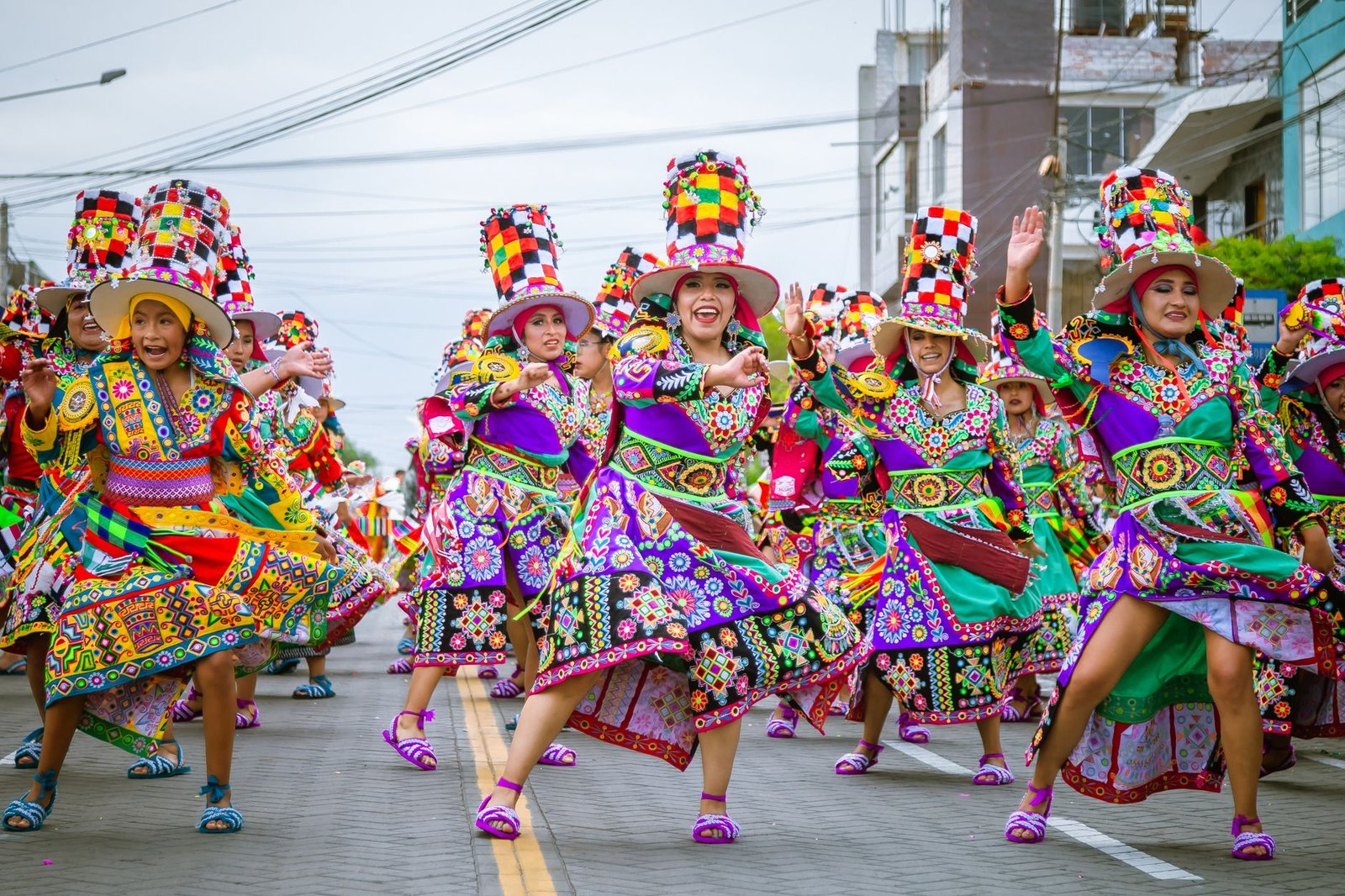

Global heritage reveals itself most vividly during major seasonal shifts, historical commemorations, and spiritual observances. Across continents, communities preserve centuries-old practices through elaborate public gatherings. These celebrations provide profound insights into local belief systems, artistic traditions, and social structures. Observers gain a deeper appreciation of human history by studying how different societies mark time, honor ancestors, and celebrate agricultural cycles. Planning a journey around these events transforms standard sightseeing into immersive cultural education.
The Cultural Significance of Global Heritage Celebrations
Heritage celebrations serve as living archives for human civilization. Anthropologists often reference frameworks established by organizations like UNESCO to study how intangible cultural heritage is preserved through active participation. Rather than existing merely as museum artifacts, traditional festivals around the world worth traveling for require community collaboration, oral transmission, and generational teaching. Elders pass down choreography, culinary techniques, and ritual duties to younger participants, ensuring the continuity of indigenous knowledge.
Participating in these events offers travelers an authentic window into regional values without commercial distortion. For instance, harvest celebrations reflect agrarian dependencies on weather patterns, demonstrating how ancient populations interpreted seasonal shifts. According to anthropological research published by institutions like the Smithsonian Center for Folklife and Cultural Heritage, these gatherings reinforce social cohesion by uniting diverse demographics under shared historical identities. Observers witness firsthand how music, dance, and visual arts communicate complex mythologies and moral philosophies.
Asia: Illuminating Ancient Rites and Vernacular Arts
Asian celebrations often synchronize with lunar calendars, agricultural milestones, and ancient spiritual philosophies. The diversity of practices across the continent reflects centuries of distinct regional development influenced by Buddhism, Hinduism, Shintoism, and indigenous animism.
The Festival of Lights: Diwali Across South Asia
Diwali, or Deepavali, marks the triumph of light over darkness and knowledge over ignorance. Spanning five days, the celebration involves lighting clay oil lamps known as diyas, cleaning homes, and sharing sweets. Communities gather for intricate fireworks displays and elaborate floor designs created with colored powders or rice flour, known as rangoli. The event stimulates local economies significantly, particularly artisans who craft earthenware and traditional textiles. Travelers seeking to understand the socio-economic impact of seasonal commerce often look to reports by economic research bodies tracking festive retail trends across South Asia.
Loy Krathong and Yi Peng in Northern Thailand
Rooted in ancient water-venerating rituals, Loy Krathong involves releasing small, decorated baskets onto waterways to express gratitude to the water spirits and release negative karma. Simultaneously, the Yi Peng lantern festival illuminates the night sky above Chiang Mai as thousands of paper lanterns are released into the air. This dual celebration highlights Buddhist concepts of merit-making and spiritual renewal. Urban planning analysts note that Chiang Mai manages millions of international visitors during this period by implementing strict ecological guidelines regarding biodegradable krathong materials and fire safety protocols for sky lanterns.
Europe: Historic Pageantry and Seasonal Transitions
European cultural calendar events frequently bridge pagan agrarian cycles with Christian liturgical traditions, resulting in striking visual spectacles and deeply ingrained community rituals.
Carnival in Venice: Masked Traditions and Historical Satire
Originating in the medieval period to celebrate military victories and social leveling, the Venice Carnival transforms the canals and piazzas into a stage for elaborate historical costumes and handcrafted masks. The historical significance of the mask rests in its ability to temporarily erase social hierarchies, allowing nobility and commoners to interact freely during public feasts. Modern cultural heritage studies, such as those maintained by the European Union National Institutes for Culture, emphasize the importance of regulating tourist volume to preserve the fragile architecture of historic urban centers during high-impact events.
Up Helly Aa in Shetland, Scotland
Marking the height of midwinter, Up Helly Aa in Lerwick celebrates Norse heritage through a dramatic torchlit procession culminating in the burning of a meticulously constructed Viking galley. Hundreds of participants, dressed in historical costumes known as squads, march through the streets accompanied by traditional brass bands. This observance reinforces regional identity and maritime history in the remote northern islands. Sociological assessments of Scottish heritage events indicate that such practices play a vital role in maintaining generational craftsmanship, as local shipwrights and metalworkers spend months preparing the galley and torches by hand.
The Americas: Syncretism and Ancestral Commemoration
The cultural landscape of the Americas reflects a rich synthesis of indigenous cosmologies, European colonial influences, and African diaspora traditions, creating unique celebratory forms.
Día de los Muertos in Mexico
Observed primarily on November 1st and 2nd, the Day of the Dead honors deceased loved ones through vibrant altars adorned with marigolds, photographs, sugar skulls, and favorite foods. The philosophy underlying the event treats death not as a tragic finality, but as a natural phase in the continuous cycle of life. UNESCO recognizes this observance as an intangible cultural heritage of humanity. Culinary historians frequently analyze the specific recipes prepared during this period, such as pan de muerto, noting how indigenous ingredients like corn, squash, and chocolate persist in modern festive menus.
Inti Raymi in Cusco, Peru
Inti Raymi, the ancient Inca festival of the sun, honors the sun god Inti during the southern hemisphere’s winter solstice. Originally the most important ceremony of the Inca Empire, the modern reenactment in Cusco features elaborate theatrical performances, traditional music, and colorful Andean textiles. Thousands of spectators gather at the Sacsayhuamán archaeological site to observe the dramatic procession. Archaeological preservation studies emphasize the necessity of balancing cultural tourism with the structural integrity of ancient stone monuments during large-scale public gatherings.
Africa: Rhythmic Heritage and Royal Jubilees
African traditional gatherings often serve as vital mechanisms for lineage recognition, royal succession documentation, and community solidarity.
The Guérewol Festival of the Wodaabe, Niger
The Guérewol is an annual traditional courting ritual among the Wodaabe, a subgroup of the nomadic Fulani people. Young men execute intricate dances and songs in elaborate makeup and traditional dress to impress female judges. Anthropological field studies document how this event serves as a platform for genetic diversity and community bonding within pastoralist societies. Researchers studying nomadic lifestyles highlight the ecological knowledge required by the Wodaabe to navigate seasonal migration routes to reach the designated gathering grounds.
The Durbar Festival in Northern Nigeria
Celebrated in cities like Kano and Katsina, the Durbar marks the conclusion of Islamic holy periods with a massive display of horsemanship, military pageantry, and traditional music. Hundreds of horsemen dressed in chain mail, colorful tunics, and turbans ride through the ancient city gates to pay homage to the Emir. Historical analyses of the Durbar trace its origins to military parades held by cavalry regiments protecting ancient trade routes across the Sahara. Cultural preservation authorities document these events to study the evolution of equestrian traditions and textile arts in West Africa.
Comprehensive Comparison of Global Heritage Events
| Celebration Name | Primary Region | Cultural Focus | Optimal Travel Season |
|---|---|---|---|
| Diwali | South Asia | Spiritual triumph, community unity | Autumn (October/November) |
| Loy Krathong | Southeast Asia | Water veneration, spiritual release | November (Full moon) |
| Venice Carnival | Europe | Historical pageantry, masked satire | February |
| Día de los Muertos | Latin America | Ancestral commemoration, syncretism | Early November |
| Inti Raymi | South America | Solar worship, Incan heritage | June (Winter solstice) |
| Guérewol | West Africa | Pastoralist courtship, music | September |
Practical Logistics for Cultural Travelers
Navigating major global celebrations requires meticulous preparation to ensure respectful engagement and logistical efficiency. Travel coordinators recommend securing accommodations up to a year in advance, particularly in smaller destinations where infrastructure is limited. Understanding local etiquette, dress codes, and photography permissions prevents cultural misunderstandings. Furthermore, monitoring official government travel advisories and consulting cultural institutions helps travelers navigate crowd control measures and ticket distribution systems safely. Engaging certified local guides provides deeper context regarding ritual protocols and historical nuances that standard guidebooks often omit.
Frequently Asked Questions
How far in advance should travel arrangements be made for major global celebrations?
Securing flights and lodging six to twelve months prior is strongly advised for high-demand events like the Venice Carnival or Diwali. Popular celebrations often cause rapid inflation of accommodation costs and severe inventory shortages.
Are these gatherings suitable for families with children?
Most public celebrations are family-friendly, offering vibrant visual spectacles and educational opportunities. However, visitors should research specific crowd densities, noise levels, and weather conditions to ensure comfort for younger travelers.
What is the best way to photograph cultural ceremonies respectfully?
Always obtain verbal consent before photographing individuals, especially during sacred rituals or private family observances. Observing restricted areas and avoiding the use of intrusive flash photography maintains the sanctity of the event.
How can travelers ensure their tourism dollars directly benefit local communities?
Prioritizing locally owned accommodations, purchasing handicrafts directly from regional artisans, and hiring certified local guides ensures that economic benefits remain within the host community.
Conclusion
Exploring traditional festivals around the world worth traveling for offers a unique vantage point on human history, artistic expression, and social resilience. These gatherings transcend mere entertainment, serving as essential pillars of cultural identity and generational continuity. Travelers who approach these events with curiosity, preparation, and cultural sensitivity contribute positively to global heritage preservation while gaining transformative personal insights. Prioritizing responsible travel habits ensures that these remarkable customs endure for future generations to experience and study.
Featured Image Credit: Generated/Sourced via Unsplash.
Disclaimer: This article is AI-generated for informational and educational purposes. While we strive to provide high-quality context and authority, the content should not be used as professional advice. The author/website assumes no liability for external links or factual omissions.