

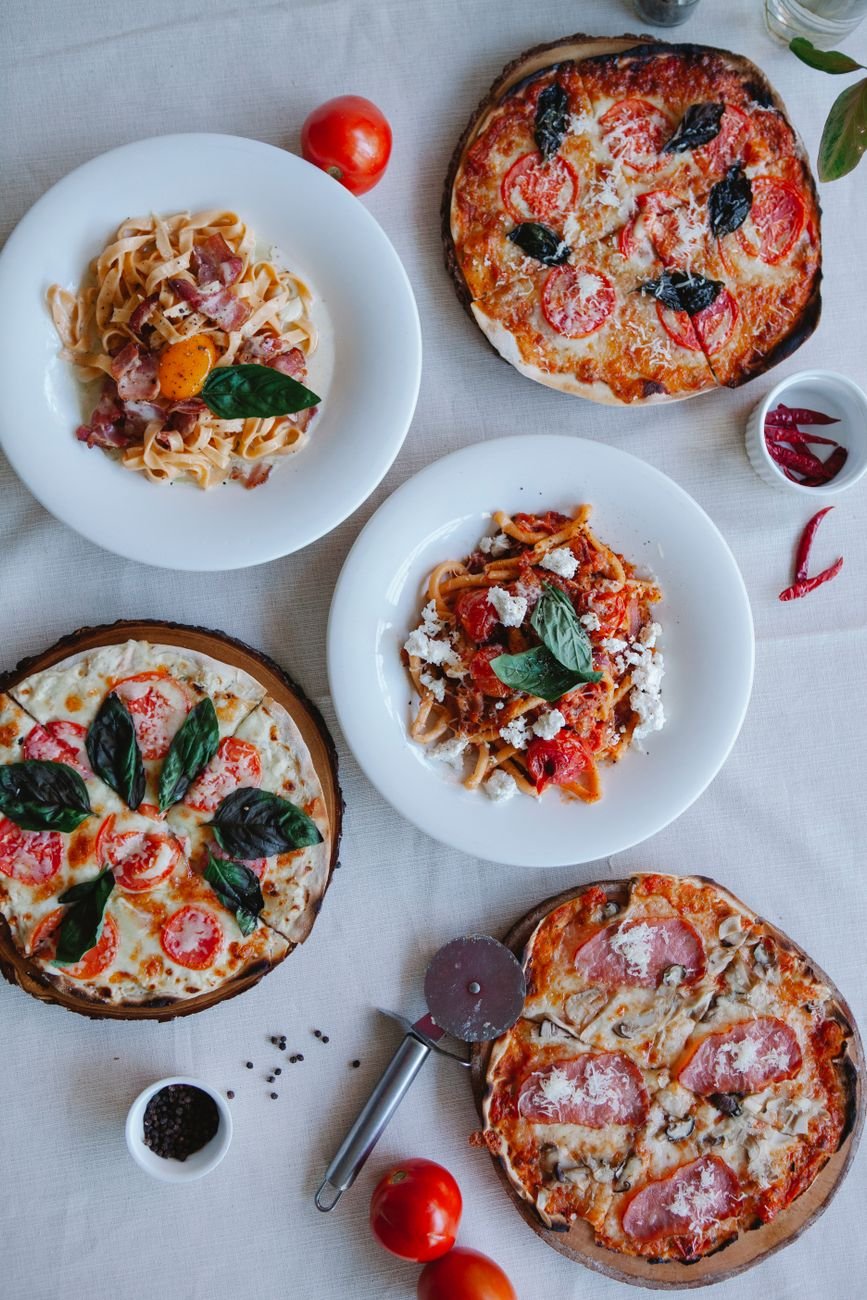

The culinary landscape of Italy extends far beyond the universally recognized staples of pizza and pasta. While these two creations hold a revered place in global gastronomy, the country’s twenty distinct regions offer a remarkably diverse array of culinary traditions shaped by geography, climate, and historical trade routes. From the butter-rich broths of the Alpine foothills to the vibrant, tomato-and-seafood-infused kitchens of the southern coast, Italian cuisine is an encyclopedia of local agriculture and ancestral preservation methods. Culinary historians frequently point out that authentic Italian cooking relies heavily on regional identity rather than a homogenized national menu. Understanding this broader spectrum requires looking past the tourist menus of international Italian restaurants and examining the rich pantry of grains, legumes, river fish, game, and heirloom vegetables that define daily life across the peninsula.
The Historic Roots of Regional Italian Gastronomy
Long before the political unification of Italy in the nineteenth century, individual city-states, duchies, and kingdoms developed distinct foodways rooted in immediate local ecosystems. The topography of the Italian boot—divided by the Apennine Mountains and bordered by multiple seas—naturally isolated communities, encouraging culinary self-reliance. Coastal populations mastered salt-curing and seafood preservation, while inland agricultural centers perfected slow-cooked stews, polenta varieties, and cured meats.
This localized evolution explains why a traveler moving just fifty miles inland from a coastal port will encounter an entirely different vocabulary of ingredients and cooking techniques. Historical documents from medieval guilds and Renaissance banquets illustrate that grains other than wheat, such as spelt, millet, and chestnut flour, sustained rural populations for centuries. The reliance on seasonal availability remains a cornerstone of traditional Italian kitchens, dictating that menus shift dramatically every few months to honor the harvest cycle.
Iconic Meat and Poultry Masterpieces
Moving away from grain-based doughs reveals a sophisticated tradition of meat preparation that highlights both humble resourcefulness and noble dining room sophistication. One notable example is Osso Buco alla Milanese, a specialty from Lombardy featuring cross-cut veal shanks braised slowly with vegetables, white broth, and white wine. Traditionally finished with gremolata—a zesty condiment of minced lemon zest, garlic, and parsley—this dish transforms a tough cut of meat into a meltingly tender centerpiece through patient, low-temperature cooking.
In the mountainous region of Trentino-Alto Adige, Carne Salada offers a completely different perspective on beef. This lightly salted and spiced raw beef is thinly sliced and typically served with arugula and parmesan or lightly seared in a hot pan. Further south in Tuscany, Bistecca alla Fiorentina represents the pinnacle of minimalist meat preparation. Utilizing thick-cut T-bone steaks from the prized Chianina cattle breed, the meat is grilled over glowing hardwood coals until the exterior is deeply charred while the interior remains rare and succulent, seasoned simply with coarse sea salt, cracked black pepper, and extra virgin olive oil.
Coastal Treasures: Seafood Specialties of the Mediterranean
Given Italy’s extensive coastline, maritime ingredients form the foundation of countless regional masterpieces that do not involve pasta or pizza. Cacciucco, a dense and aromatic fish stew originating from the port city of Livorno in Tuscany, exemplifies the resourceful nature of coastal cooking. Historically prepared by fishermen using unsellable catches from the day’s haul, a traditional cacciucco incorporates a variety of rockfish, crustaceans, and mollusks simmered in a robust tomato, garlic, chili, and red wine broth, served alongside crusty grilled bread rubbed with garlic.
Across the country in Venice, Sarde in Saor showcases the historical preservation methods of the Venetian Lagoon. This dish consists of fresh sardines fried and then marinated in a sweet-and-sour mixture of caramelized onions, vinegar, raisins, and pine nuts. The preparation reflects the influence of ancient trade routes that brought spices and sweet-and-sour flavor profiles into the Venetian culinary vocabulary during the height of the maritime republic. Similarly, Baccalà alla Vicentina utilizes dried salt cod rehydrated and slow-cooked with milk, anchovies, and onions until it achieves a creamy consistency, served traditionally over polenta.
Vegetable and Legume Innovations
Vegetables and legumes occupy center stage in numerous famous Italian dishes, functioning as primary ingredients rather than mere side dishes. Ribollita, a thick Tuscan bread soup, translates literally to “reboiled.” Rooted in peasant traditions, this dish utilizes leftover stale bread, white cannellini beans, cavolo nero (black kale), swiss chard, and winter root vegetables. By simmering the mixture over multiple days, the starches from the beans and bread break down to create a rich, comforting consistency without the addition of heavy cream or meat stocks.
In Sicily, Caponata presents a vibrant exploration of sweet and sour contrasts, featuring fried eggplant, celery, capers, green olives, tomatoes, and pine nuts, bound together with a splash of vinegar and sugar. This iconic dish highlights the island’s multicultural history, blending Mediterranean agriculture with flavor profiles influenced by centuries of trade and conquest. Meanwhile, in the northern region of Veneto, Pasta e Fagioli—though containing a small amount of tubular pasta—is fundamentally defined by its thick, stew-like bean base, seasoned with rosemary, garlic, and pancetta, demonstrating how legumes provide sustaining nutrition throughout the colder months.
Comparison Table: Regional Italian Specialities Beyond Pizza and Pasta
| Dish Name | Region of Origin | Primary Ingredients | Cooking Method | Flavor Profile |
|---|---|---|---|---|
| Osso Buco | Lombardy | Veal shanks, broth, white wine, gremolata | Slow braising | Rich, savory, citrusy finish |
| Cacciucco | Tuscany | Mixed fish, shellfish, tomatoes, garlic, wine | Simmering stew | Robust, briny, slightly spicy |
| Bistecca alla Fiorentina | Tuscany | Chianina beef T-bone, salt, olive oil | Hardwood charcoal grilling | Smoky, meaty, juicy |
| Sarde in Saor | Veneto | Sardines, onions, vinegar, raisins, pine nuts | Frying and marinating | Sweet, sour, savory |
| Caponata | Sicily | Eggplant, celery, capers, olives, tomatoes | Sautéing and stewing | Tangy, sweet, earthy |
The Art of Polenta and Grains
Before the introduction of corn from the Americas, northern Italian populations relied on ancient grains and chestnuts to produce porridges that accompanied savory braises and cheeses. Today, yellow corn polenta remains a defining element of Alpine and Po Valley cuisine. Preparing traditional polenta requires patience, involving the continuous stirring of coarse cornmeal in copper cauldrons over an open fire or stovetop until it reaches a velvety texture.
Polenta is served either soft, acting as a bed for rich game stews like Spezzatino di Cervo (venison stew), or allowed to cool, slice, and subsequently grill or fry. In the Valtellina valley, Pizzoccheri showcases buckwheat flour transformed into short, flat ribbons cooked alongside potatoes and Savoy cabbage, then layered heavily with Valtellina Casera cheese, butter, and garlic. This dish emphasizes the heartiness required to sustain life in high-altitude mountain environments.
Frequently Asked Questions About Non-Pasta Italian Cuisine
What are some famous Italian meat dishes that do not feature pasta?
Prominent examples include Osso Buco (braised veal shanks from Milan), Bistecca alla Fiorentina (Tuscan grilled T-bone steak), and Saltimbocca alla Romana (veal cutlets wrapped with prosciutto and sage, cooked in white wine and butter). These dishes focus on high-quality proteins and careful cooking techniques rather than grain accompaniments.
Are vegetables prominent in traditional Italian main courses?
Yes, vegetables are central to many regional dishes. Preparations like Parmigiana di Melanzane (layered eggplant with tomatoes, basil, and cheese), various stuffed vegetable blossoms (Fiori di Zucca), and legume-based stews serve as substantial main courses, particularly in southern regions where agriculture yields abundant seasonal produce.
How does northern Italian cuisine differ from southern Italian cuisine regarding side dishes?
Northern Italian cooking frequently incorporates polenta, rice, butter, and root vegetables due to cooler climates and proximity to the Alps. Conversely, southern Italian cooking heavily favors olive oil, fresh tomatoes, capers, eggplants, and coastal seafood, reflecting a warmer Mediterranean climate and historical trade connections.
Is seafood consumed widely throughout Italy outside of coastal areas?
While coastal regions exhibit the highest concentration of seafood recipes, historic preservation techniques such as salt-curing (baccalà or stockfish) and oil-packing allowed inland regions like Lombardy, Piedmont, and Umbria to maintain long-standing traditions of consuming preserved marine fish alongside freshwater river species.
Conclusion
Exploring famous Italian dishes beyond pizza and pasta reveals a culinary tradition characterized by profound respect for regional agriculture, seasonal harvesting, and historical heritage. From the slow-simmered seafood stews of Livorno to the wood-grilled beef of Tuscany and the comforting polenta traditions of Lombardy, Italy’s diverse kitchens offer endless opportunities for culinary discovery. Embracing these lesser-known regional specialties provides a comprehensive understanding of a culture where food serves as both a daily sustenance and an expression of local identity. Travelers and home cooks alike can enrich their appreciation of Mediterranean gastronomy by looking past familiar international menus and engaging directly with the authentic, place-based recipes that define the true breadth of Italian cooking.
Featured Image Credit: Generated/Sourced via Unsplash.
Disclaimer: This article is AI-generated for informational and educational purposes. While we strive to provide high-quality context and authority, the content should not be used as professional advice. The author/website assumes no liability for external links or factual omissions.