

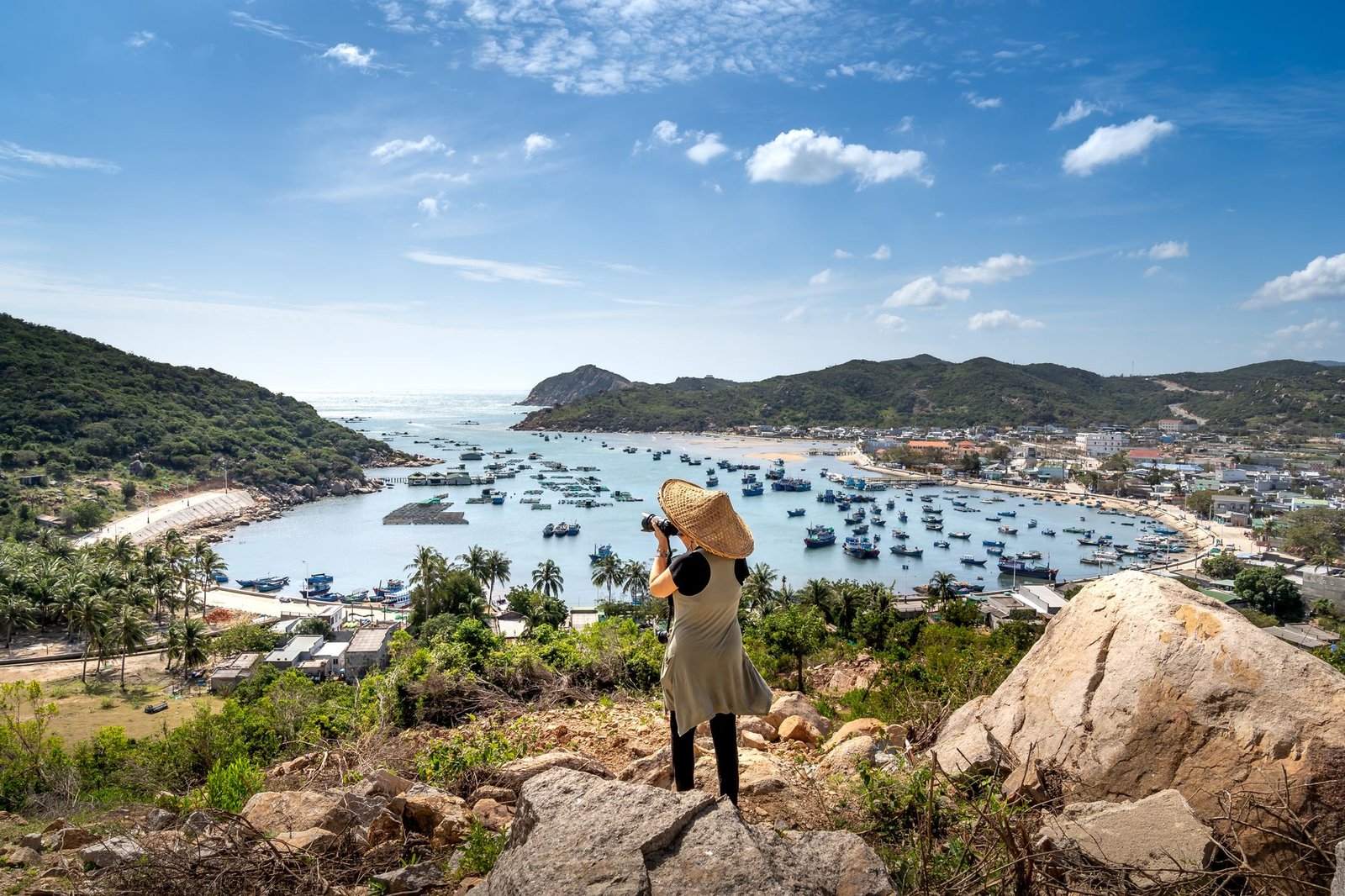

Stepping into the vibrant chaos of Southeast Asia often begins with a single destination that balances ancient heritage with rapid modern development. Learning how to plan a solo trip to Vietnam in 2026 requires a structured approach to navigation, cultural etiquette, regional geography, and logistical preparation. Vietnam has evolved into one of the most accessible destinations for independent travelers, offering robust infrastructure, affordable transit networks, and deeply rooted traditions of hospitality. Navigating this elongated nation—stretching from the misty northern mountains down to the tropical delta in the south—demands careful timing, smart budgeting, and an understanding of evolving digital travel tools.
Understanding the Landscape: Why 2026 is the Ideal Year for Independent Travelers
The landscape of Southeast Asian tourism undergoes continuous modernization, making 2026 a particularly seamless year for independent exploration. Infrastructure projects initiated in previous years have reached maturity, including expanded domestic flight routes, upgraded rail networks, and modernized border crossing procedures. For solo travelers, this means reduced transit friction and greater predictability when moving between major urban centers and remote provinces.
Tourism boards across the country have also integrated advanced digital registration systems, simplifying visa applications and regional permits. National tourism data indicates a steady rise in solo arrivals, prompting local businesses and transport operators to cater specifically to single travelers. From capsule hotels in Ho Chi Minh City to standardized homestay booking platforms in the northern highlands, the ecosystem supports independent movement without requiring group-guided structures.
Crafting Your Itinerary: Regional Highlights and Duration
Structuring a route depends entirely on available time, physical endurance, and personal preferences regarding climate and pacing. A standard multi-week journey usually follows a longitudinal path, either moving from north to south or vice versa, avoiding the exhaustion of backtracking.
The Northern Loop: Culture, Mountains, and Limestone Bays
The northern region centers around Hanoi, a capital city defined by French colonial architecture, narrow labyrinthine commercial streets, and historical landmarks. Solo travelers frequently use Hanoi as a base before heading deeper into the Tonkin Alps.
- Mountain trekking in regions like Ha Giang and Sapa offers immersive experiences into ethnic minority cultures, supported by established community-based tourism initiatives.
- Maritime excursions in Ha Long Bay and the adjacent Lan Ha Bay provide opportunities for overnight boat cruises among towering limestone karst formations.
- Local culinary exploration in Hanoi focuses heavily on regional specialties, including regional broths, grilled pork dishes, and traditional egg coffee preparations.
The Central Coast: Heritage, Caves, and Coastal Towns
Moving south leads travelers into the central coastal belt, characterized by historical trade ports and dramatic natural topography.
- Hue serves as the historical imperial capital, featuring vast citadel ruins, royal tombs, and complex architectural layouts reflecting dynastic power.
- Da Nang acts as a modern coastal hub known for international bridges, sandy beaches, and proximity to major mountain passes.
- Hoi An preserves a centuries-old trading port aesthetic, where lantern-lit streets, tailor shops, and preserved merchant houses draw heavy cultural tourism interest.
- Phong Nha-Kẻ Bàng National Park appeals to adventurous visitors seeking underground cave expeditions and dense jungle trekking.
The Southern Expanse: Urban Energy and River Ecosystems
The southern portion of the country presents a stark contrast to the historical preservation of the center and the rugged peaks of the north.
- Ho Chi Minh City, historically known as Saigon, drives the national economy through towering financial districts, bustling markets, and poignant war museums.
- The Mekong Delta provides a vast aquatic network of floating markets, fruit orchards, and narrow canals navigable by motorized wooden vessels.
- Coastal beach towns like Mui Ne and resort islands like Phu Quoc offer relaxation options for travelers seeking marine activities and coastal resorts.
Travel Logistics: Visas, Currency, and Connectivity
Mastering logistical details prevents minor inconveniences from escalating into major disruptions during an independent journey.
Entry Requirements and Visas
Most international visitors require a valid entry permit before arrival. The electronic visa system accommodates dozens of nationalities, allowing stays of up to 90 days with single or multiple-entry options. Applications require digital passport copies, portrait photographs, and exact entry point specifications. Ensuring passport validity extends at least six months beyond the intended departure date remains a mandatory standard enforced by immigration officials.
Currency Management and Financial Safety
The official currency is the Vietnamese Dong (VND). While digital payments have expanded rapidly across urban centers, cash remains essential for street vendors, rural homestays, and local transportation.
- ATMs are widely available in cities, though travelers should account for standard foreign transaction fees and machine withdrawal limits.
- Carrying a mix of physical cash and backup international debit cards minimizes financial vulnerability.
- Exchanging funds through authorized banks or gold shops generally yields better exchange rates than airport kiosks.
Staying Connected
Reliable mobile communication facilitates navigation, language translation, and emergency contact. Purchasing a physical tourist SIM card upon arrival at international airports or securing an eSIM configuration prior to departure ensures instant internet access. Major telecommunications providers offer affordable data bundles that sustain connectivity across urban centers and rural provinces alike.
Safety, Health, and Social Dynamics for Solo Travelers
Safety remains a primary consideration when planning an independent journey. Vietnam ranks consistently as one of the most secure destinations in the region for solo travelers, characterized by low rates of violent crime. However, situational awareness remains necessary to mitigate petty theft, such as mobile phone snatching by passing motorists in crowded urban thoroughfares.
Health Precautions
Medical infrastructure in Hanoi and Ho Chi Minh City meets international standards through private clinics and specialized hospitals. Outside these major hubs, medical facilities offer basic care, making comprehensive travel insurance covering emergency medical evacuation an essential purchase prior to departure. Hydration, food hygiene practices, and protection against tropical mosquito-borne illnesses safeguard overall wellness during transit.
Navigating Social Etiquette
Cultural awareness enhances the solo travel experience and prevents misunderstandings.
- Modest dress is expected when visiting religious sites, requiring covered shoulders and knees.
- Removing footwear before entering temples, pagodas, and private residential homestays demonstrates basic respect.
- Public displays of affection are generally discouraged by local cultural norms.
Comparative Overview of Regional Travel Seasons
Choosing the right time to visit requires understanding the diverse microclimates across the country’s elongated geography.
| Region | Optimal Travel Months | Primary Weather Characteristics | Key Solo Travel Considerations |
|---|---|---|---|
| Northern Vietnam | October to April | Cool, dry winters; warm summers with occasional mountain mist | Mountain passes may experience fog or freezing temperatures in January |
| Central Vietnam | February to August | Sunny, dry conditions; heavy rainfall and typhoons from September to December | Coastal areas experience rough seas during the late autumn storm season |
| Southern Vietnam | November to April | Dry season with consistent tropical warmth; wet season from May to October | Afternoon tropical downpours are common during the monsoon months |
Accommodation Strategies for Independent Explorers
Selecting the right lodging impacts both budget and social opportunities during a solo journey. The accommodation spectrum spans budget-friendly hostels to luxury heritage properties, catering to diverse travel styles.
Hostels and Social Hubs
Urban centers and backpacker corridors feature modern hostels offering both dormitory beds and private rooms. These properties frequently organize social events, city walking tours, and group transit bookings, making them ideal environments for solo travelers seeking community without committing to structured group tours.
Homestays and Cultural Immersion
Rural destinations—particularly in the northern mountains and the Mekong Delta—rely heavily on homestay models. Guests stay within family-run properties, often sharing meals and participating in agricultural or artisanal activities. This approach delivers deep cultural insight while directly supporting local rural economies.
Mastering Local Transportation Networks
Moving efficiently across the country requires utilizing a combination of aviation, rail, and road transit.
Rail Travel
The Reunification Express connects Hanoi and Ho Chi Minh City along a scenic coastal route. Travelers can choose between soft sleeper berths, hard sleeper options, and standard seats. Overnight train journeys save on accommodation costs while offering scenic views of coastal cliffs and rural fields.
Domestic Aviation
Budget carriers operate frequent daily flights between major hubs, significantly reducing travel time compared to overland transit. Booking regional flights well in advance secures competitive fares, though baggage weight limits require strict adherence.
Regional Road Transport
Sleeper buses with reclining seats connect intermediate tourist towns. For shorter urban distances, ride-hailing applications installed on mobile devices eliminate language barriers and price negotiation disputes with traditional street-level taxi operators.
Frequently Asked Questions
Is Vietnam safe for first-time solo travelers?
Yes, the country offers high levels of personal safety, welcoming locals, and a well-established tourist infrastructure that simplifies independent navigation.
Do I need to speak the local language to get around?
While basic English is widely spoken in hotels, restaurants, and tourist transit hubs, downloading an offline translation application assists with navigation in rural districts.
How much budget should a solo traveler allocate daily?
Daily expenditures vary based on comfort preferences, ranging from modest backpacker budgets covering hostels and street food to mid-range budgets incorporating private hotels, guided excursions, and restaurant dining.
Can I book tours and transport on the ground, or should I reserve everything in advance?
While high-season travel demands advance booking for trains and popular accommodations, off-peak travel allows high flexibility for spontaneous bookings on the ground.
Conclusion
Mastering how to plan a solo trip to Vietnam in 2026 opens the door to a deeply rewarding independent travel experience defined by geographic diversity, culinary innovation, and rich historical narratives. By approaching preparation with careful attention to visa regulations, seasonal weather patterns, regional logistics, and cultural etiquette, independent visitors set the foundation for a seamless journey. Whether navigating the high mountain passes of the north, exploring the imperial heritage of the center, or cruising the waterways of the south, traveling independently through this dynamic nation fosters profound personal discovery and lasting global perspective. Proper planning transforms potential logistical uncertainties into opportunities for seamless cultural engagement, ensuring that every mile traveled becomes a testament to the power of independent exploration.
Featured Image Credit: Generated/Sourced via Unsplash.
Disclaimer: This article is AI-generated for informational and educational purposes. While we strive to provide high-quality context and authority, the content should not be used as professional advice. The author/website assumes no liability for external links or factual omissions.