

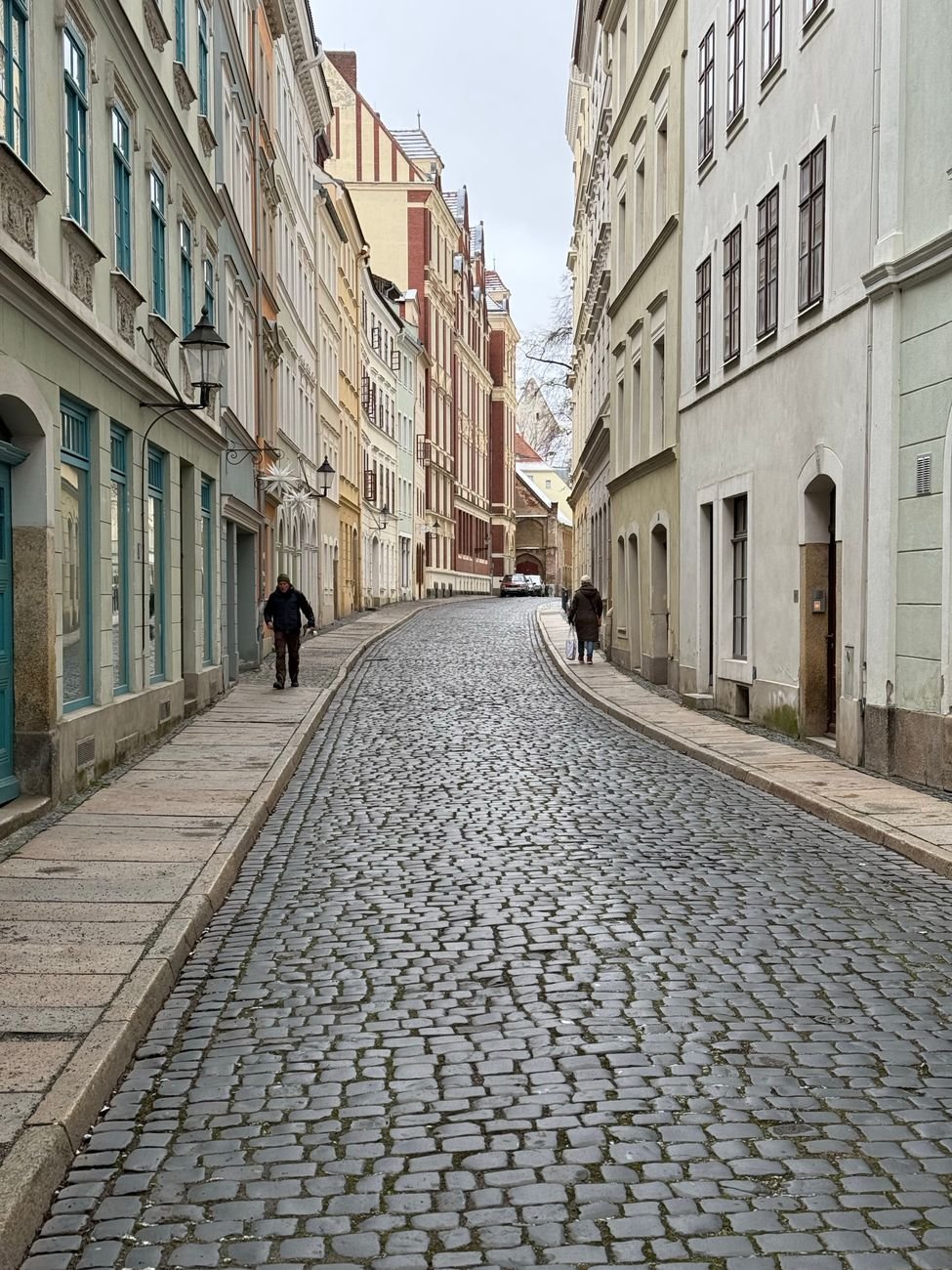

Best European Cities to Visit in Winter Without Crowds
Europe transforms remarkably once the summer tour buses depart and autumn leaves clear from the cobblestones. Experiencing the continent during the colder months reveals an entirely different rhythm of life, where historic plazas echo only with the footsteps of local residents and museum galleries can be appreciated in absolute silence. Choosing the best European cities to visit in winter without crowds requires looking past the heavily marketed festive markets and focusing on destinations where seasonal weather naturally deters mass tourism. Urban centers that buzz with overwhelming activity in July become tranquil sanctuaries between November and February, offering travelers the rare opportunity to engage authentically with local culture, architecture, and gastronomy.
Understanding Low-Season Travel Dynamics in Europe
Traveling during the off-season demands a shift in logistical planning and seasonal expectations. Weather patterns across the continent vary drastically, requiring visitors to balance the desire for solitude with practical climate considerations. Coastal Mediterranean destinations experience milder temperatures accompanied by frequent rainfall, while northern and eastern regions present crisp, snowy landscapes ideal for cozy indoor cultural exploration. According to historical tourism data compiled by the European Travel Commission, destinations experiencing a dip in visitor volume often offer enhanced cultural access, lower accommodation rates, and shorter queues at major historic landmarks. This shift alters the financial and spatial dynamics of urban exploration, allowing visitors to stretch travel budgets further while enjoying a higher quality of engagement.
Urban infrastructure adapts seamlessly to the colder months. Public transit systems operate with standard efficiency minus the summer congestion, and restaurant reservation books remain accessible even on weekend evenings. Analyzing tourism trends published by the World Tourism Organization highlights that sustainable travel models heavily favor spreading visitor numbers across the calendar year, making off-season exploration an ecologically responsible choice. Navigating European cities during this window requires understanding shortened daylight hours and localized holiday closures, particularly around late December and early January, but the reward is an unobstructed connection with the urban environment.
Tallinn, Estonia: Medieval Silence Beneath Frost
Tallinn stands as one of the most remarkably preserved medieval settlements in Northern Europe. During the warmer months, cruise ships discharge thousands of visitors into the UNESCO-listed Old Town, filling narrow alleyways with bustling tour groups. Winter reverses this dynamic entirely. Snowfall blankets the red-tiled roofs, transforming the Gothic spires and cobblestone lanes into a serene northern wonderland.
Exploring the Town Hall Square or walking along the medieval fortifications becomes a peaceful exercise in architectural appreciation rather than an exercise in crowd navigation. Local cafes on Pikk street offer heated sanctuaries where patrons can observe the quiet snowfall over spiced hot beverages. Historical documentation preserved by the Estonian Ministry of Culture emphasizes the city’s commitment to maintaining its historic fabric year-round, ensuring that museums such as the Kumu Art Museum operate with full exhibition schedules without the overwhelming visitor traffic typical of peak holiday periods.
Ljubljana, Slovenia: Green Urban Spaces in Winter Calm
Ljubljana offers a distinct urban experience where alpine proximity meets Central European charm. The city center is largely pedestrianized, and the absence of heavy vehicular traffic contributes to an already peaceful atmosphere. When winter arrives, the Ljubljanica riverbanks are often shrouded in morning mist, and the willow trees stand bare against the pastel-colored facades of Secessionist architecture.
Visitors riding the funicular up to Ljubljana Castle encounter quiet courtyards and panoramic viewing platforms that rarely feature queues during January and February. The Slovenian Tourist Board highlights that winter in the capital focuses on local life, from bustling indoor food markets showcasing regional produce to intimate classical concerts held in historic academic venues. Without the distraction of massive tour groups, the city’s green initiatives and urban planning achievements can be observed at a measured, thoughtful pace.
Porto, Portugal: Atlantic Coastline Without the Summer Surge
While Southern Europe is often dismissed as a purely summer destination, cities like Porto present a compelling alternative during the cooler months. The Atlantic breeze brings brisk temperatures and dramatic cloud formations over the Douro River, replacing the scorching heat waves of July and August with crisp, manageable weather.
The iconic Dom Luís I Bridge can be crossed at a leisurely pace, and the historic Livraria Lello bookstore—notorious for immense queues year-round—experiences significantly shorter wait times during weekday mornings in November or January. Analytical reports from Turismo de Portugal indicate a strategic push toward year-round cultural tourism, making it an ideal period to explore the port wine cellars of Vila Nova de Gaia. Tastings and guided cellar tours become intimate educational sessions rather than rushed commercial transactions, allowing visitors to engage directly with winemakers.
Comparative Overview of Low-Season European Destinations
| Destination | Average Winter Temp (°C) | Primary Crowd Factor | Key Off-Season Highlight |
|---|---|---|---|
| Tallinn, Estonia | -5°C to 1°C | Low | Snowy medieval architecture and quiet museums |
| Ljubljana, Slovenia | -1°C to 5°C | Very Low | Peaceful riverside walks and accessible castle grounds |
| Porto, Portugal | 9°C to 14°C | Moderate-Low | Intimate wine cellar tours and dramatic coastal views |
| Bologna, Italy | 1°C to 8°C | Low | Architectural porticoes and authentic culinary workshops |
| Valletta, Malta | 10°C to 16°C | Low | Sunlit baroque streets without summer cruise crowds |
Bologna, Italy: Culinary Immersion Beyond the Tourist Trail
Italy receives immense global attention, with cities like Rome, Florence, and Venice remaining crowded throughout much of the calendar year. Bologna, however, operates differently. Known as La Grassa (The Fat One) for its rich gastronomic heritage, this northern Italian university city attracts a domestic and scholarly crowd rather than mass international tourism.
Winter weather in Emilia-Romagna brings thick fog that lends a cinematic quality to the miles of medieval porticoes sheltering pedestrians from the elements. The Italian National Institute of Statistics records lower accommodation occupancy rates in Bologna during the winter months, freeing up space in traditional osterias where traditional ragù alla bolognese and handmade tortellini are served. Without needing reservations weeks in advance, travelers can converse freely with local restaurateurs and explore the Archiginnasio of Bologna, home to one of the oldest anatomical theaters in the world, in profound quiet.
Valletta, Malta: Mediterranean Heritage in Solitude
Malta provides a compelling Mediterranean escape for travelers seeking mild winter weather combined with deep historical density. Valletta, the capital city, is a fortress built by the Knights of St. John, packed with Baroque palaces, grand cathedrals, and dramatic bastions overlooking the Grand Harbour.
During the summer, cruise ship tourism swells the population of the peninsula significantly. Winter brings a complete transformation. Daily sunshine persists, but temperatures hover comfortably around fifteen degrees Celsius, making walking tours pleasant and unhurried. According to cultural heritage updates from Heritage Malta, historical sites like St. John’s Co-Cathedral can be experienced without the gridlock of tour groups. The absence of crowds allows visitors to study Caravaggio’s masterworks inside the Oratory without time restrictions or visual obstruction.
Strategic Planning for Off-Season Urban Travel
Maximizing the benefits of traveling during low-volume periods requires careful preparation regarding operational hours and seasonal amenities. Many historical sites transition to reduced winter hours, closing earlier in the afternoon due to diminished daylight. Checking official municipal websites prior to arrival ensures itinerary alignment with local schedules.
Packing efficiently for winter city breaks involves prioritizing layering and waterproof footwear, particularly in northern coastal regions where wind and rain are common. Public transport networks remain reliable, but regional ferry lines or rural bus services may operate on restricted timetables. Embracing these adjustments allows travelers to experience European cultural capitals with a degree of authenticity, spatial freedom, and calm that is entirely unattainable during the peak summer months.
Frequently Asked Questions
What are the weather conditions like in European cities during winter?
Weather varies significantly by region. Northern and Eastern European destinations experience freezing temperatures and consistent snowfall, while Southern European locations like Portugal and Malta offer mild, cooler climates with occasional rain.
Are major historical attractions and museums open during the winter months?
Most major museums and historical landmarks remain open year-round, though many implement reduced operating hours or scheduled maintenance closures during January and February.
Do public transportation systems operate normally in European cities during winter?
Urban public transportation networks, including subways, trams, and buses, maintain standard operating schedules, though regional connections or seasonal ferries may experience reduced frequencies.
How do accommodation prices compare during the off-season?
Accommodation rates in popular cultural hubs drop noticeably during winter, offering travelers better value, lower booking competition, and greater flexibility for room selection.
Is it necessary to book restaurant reservations far in advance during winter?
In cities with lower tourist density during the colder months, advance dining reservations are rarely required outside of specific holiday periods like New Year’s Eve.
Conclusion
Exploring Europe during the quieter months offers a profound shift in perspective, stripping away the commercial pressure and congestion that define peak travel seasons. From the snow-dusted medieval battlements of the Baltic coast to the sunlit Baroque fortifications of the Mediterranean, destinations take on a contemplative character. This unhurried pace gives travelers the space to observe daily urban life, engage meaningfully with local culinary traditions, and appreciate architectural landmarks without distraction. Selecting off-season travel not only supports sustainable tourism models by balancing annual visitor flows but also unlocks a more authentic, reflective dimension of European heritage.
Featured Image Credit: Generated/Sourced via Unsplash.
Disclaimer: This article is AI-generated for informational and educational purposes. While we strive to provide high-quality context and authority, the content should not be used as professional advice. The author/website assumes no liability for external links or factual omissions.