

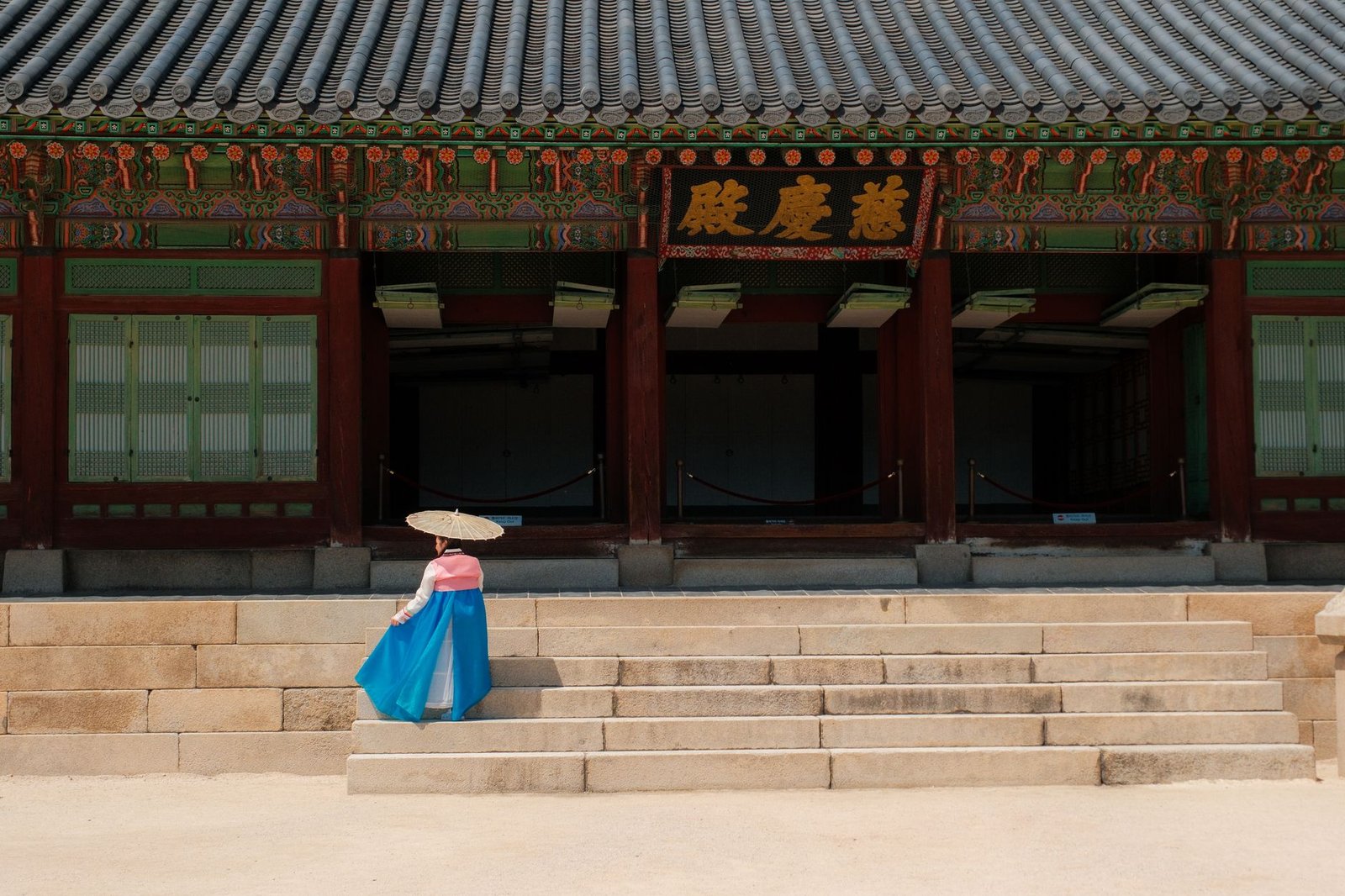

South Korea operates as a dynamic society where ancient Confucian traditions seamlessly intersect with hyper-modern technology and fast-paced urban lifestyles. Navigating this cultural landscape requires an understanding of nuanced social codes that prioritize harmony, respect for authority, and interpersonal consideration. Visitors who take time to learn foundational behavioral expectations frequently find their interactions smoother, more meaningful, and deeply appreciated by local residents. Traditional values rooted in historical philosophy continue to shape daily habits across the peninsula, influencing everything from corporate boardrooms to casual street markets.
Understanding these behavioral frameworks prevents accidental social friction and demonstrates genuine appreciation for the host nation. Whether traversing the bustling alleyways of Seoul or visiting historic provincial temples, cultural awareness serves as an invaluable travel companion. Social expectations in the region emphasize collective harmony over individual convenience, meaning that small gestures of politeness yield profound positive impressions. Observers note that travelers who respect local customs often gain access to more authentic, welcoming experiences during their travels.
Understanding Social Hierarchies and Respect
Confucian philosophy places immense emphasis on age, social status, and professional standing, dictating how individuals interact within society. Deference to elders forms a cornerstone of daily life, influencing conversational tone, seating arrangements, and physical posture. When greeting someone of higher status or an elder, bowing slightly from the waist represents the standard physical acknowledgment of respect. Handshakes frequently accompany bows, though proper protocol dictates supporting the right forearm with the left hand during the handshake to signify sincerity and humility.
Language structures inherently reflect these hierarchical dynamics through honorific speech levels. While foreign visitors are not expected to master complex linguistic honorifics, showing awareness of these distinctions is viewed favorably. Passing objects—such as business cards, credit cards, or gifts—requires both hands. Using only one hand to hand an item to another person, particularly someone older or in a position of authority, is perceived as dismissive or overly casual. This dual-handed gesture applies universally in commercial and social exchanges, serving as a reliable indicator of mindful engagement.
Dining Customs and Table Manners
Korean culinary culture revolves around communal sharing, hospitality, and strict adherence to historical dining etiquette. Meals typically feature a central array of side dishes, known as banchan, surrounding main entrees, all shared among everyone at the table. Etiquette dictates that diners wait for the eldest person at the table to pick up their utensils before anyone else begins eating. This practice reinforces the broader societal respect for seniority embedded within domestic and public dining spaces.
Utensil management also carries specific rules regarding hygiene and tradition. Chopsticks and spoons should never be stuck vertically upright into a bowl of rice, as this visual mimics ancestral memorial rites performed at funerals. Instead, utensils rest flat on the table or on designated chopstick rests when not in use. Pouring beverages for others requires holding the bottle with both hands, and recipients similarly hold their glasses with both hands when receiving a drink. Furthermore, pouring a drink for oneself is traditionally discouraged; social etiquette dictates monitoring companions’ glasses and replenishing them when empty.
Public Behavior and Spatial Awareness
Navigating public transportation, streets, and indoor spaces in South Korea involves strict adherence to unspoken rules designed to maintain collective peace and efficiency. On subways and buses, priority seating zones remain strictly reserved for elderly passengers, pregnant individuals, and those with physical disabilities, even when the train appears completely empty during rush hour. Noise pollution is actively minimized; speaking loudly on mobile phones in public transit cars is considered a major social faux pas. Passengers generally converse in hushed tones or use text messaging to maintain a quiet environment for fellow commuters.
Foot traffic flows in an organized, albeit rapid, manner across metropolitan sidewalks and transit hubs. Keeping to the right side of stairwells and escalators facilitates smooth movement for crowds navigating high-density urban infrastructure. Littering is strictly prohibited, and public trash receptacles can be surprisingly difficult to locate in urban centers, requiring individuals to carry their waste until returning to a hotel or designated disposal station. Smoking is restricted to designated outdoor smoking zones, and ignoring these municipal boundaries can result in substantial fines issued by local authorities.
Gift Giving and Reciprocity
Gift-giving customs play an important role in business relationships and social visits, governed by specific rules regarding presentation and value. When invited to a private home, bringing a small token of appreciation such as fruit, high-quality beverages, or packaged desserts is customary. Presenting the gift requires both hands, and wrapping paper should be neat and visually appealing. Items associated with mourning or bad luck, such as sharp objects that symbolize cutting ties, are strictly avoided.
Reciprocity governs these exchanges; receiving a gift implies that a return gesture or counter-gift will follow in due course. In professional settings, corporate gifting follows strict anti-corruption legislation designed to prevent bribery, setting clear monetary limits on items exchanged between business associates. Understanding these regulatory boundaries ensures that professional courtesies remain entirely appropriate and legally compliant.
Comparative Overview of Social Expectations
| Social Context | Recommended Behavior | Actions to Avoid |
|---|---|---|
| Greetings | Bow slightly; use two hands to offer or receive items | Using a single hand for business cards or money |
| Dining | Wait for elders to eat first; use both hands for pouring drinks | Sticking chopsticks vertically into a rice bowl |
| Public Transit | Keep voice low; leave priority seats empty | Speaking loudly on mobile phones |
| Temple Visits | Remove shoes indoors; dress conservatively | Wearing hats inside prayer halls |
Temple Etiquette and Traditional Sites
Historic Buddhist temples and Confucian shrines require specific behavioral modifications to maintain the sanctity of these sacred environments. Removing footwear before entering main prayer halls or traditional residential quarters is mandatory. Visitors should dress conservatively, ensuring shoulders and knees remain covered when exploring religious grounds. Photography inside active prayer halls is frequently restricted to protect worshippers and preserve ancient artifacts from flash degradation.
Walking through temple grounds requires mindfulness regarding pathways and architectural features. Stepping on the raised wooden thresholds of temple doors is considered disrespectful; visitors should step cleanly over them. Maintaining a quiet, reflective demeanor helps preserve the meditative atmosphere cultivated within these historic sanctuaries. Adhering to these guidelines ensures respectful engagement with centuries-old spiritual traditions.
Frequently Asked Questions
Is tipping customary in South Korea?
Tipping is not practiced in South Korea. Service charges are generally included in bills at restaurants and hotels, and leaving extra money on a table can cause confusion for service staff who may assume the customer forgot their change.
How should visitors dress when exploring cities?
Urban dressing styles in major cities tend to be fashionable, neat, and relatively conservative regarding excessive exposure. While casual wear is widely accepted, overly revealing clothing may draw unwanted attention outside of designated beach resorts or nightlife districts.
Is it acceptable to wear shoes inside homes and accommodations?
Footwear must always be removed before entering a traditional home, guesthouse, or temple space. Slippers are typically provided by hotels or hosts for indoor movement.
What is the best way to handle financial transactions?
Cashless payments via credit or debit cards are ubiquitous across South Korea, even for small purchases at convenience stores. Carrying a small amount of local currency remains useful for traditional street food markets or older transit kiosks, but digital payments dominate modern commerce.
Conclusion
Navigating the cultural landscape of South Korea becomes an intuitive and rewarding process when approached with genuine curiosity and respect for local traditions. By observing social hierarchies, practicing mindful dining habits, respecting public spaces, and honoring sacred sites, travelers ensure positive interactions and memorable experiences. Cultural etiquette serves as a bridge connecting visitors to the rich heritage and contemporary vibrancy of the Korean Peninsula, fostering cross-cultural understanding and lasting appreciation.
Featured Image Credit: Generated/Sourced via Unsplash.
Disclaimer: This article is AI-generated for informational and educational purposes. While we strive to provide high-quality context and authority, the content should not be used as professional advice. The author/website assumes no liability for external links or factual omissions.