

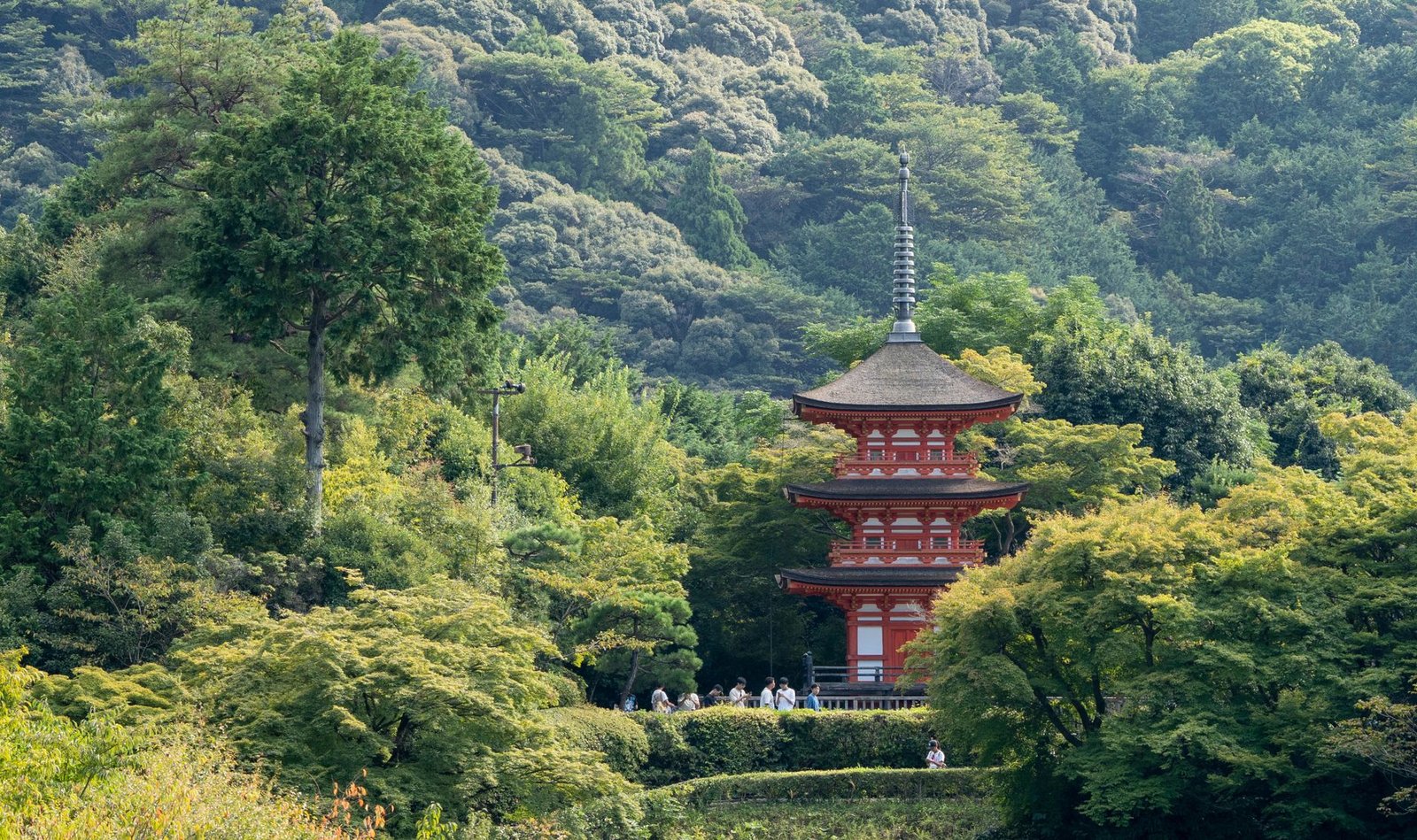

When planning a journey to East Asia, the imagination typically conjures up neon-lit streetscapes in Shinjuku, the iconic silhouette of Mount Fuji at dawn, and the serene bamboo groves of Arashiyama. Millions of international visitors pass through Narita and Kansai airports annually, funneling directly into the golden route connecting Tokyo, Kyoto, and Osaka. While these metropolitan hubs and historical capitals deserve their global acclaim, relying solely on mainstream itineraries often obscures the quieter, deeply rewarding dimensions of the country. Exploring the best hidden places to visit in Japan for first time travelers provides a profound counterbalance to high-traffic sightseeing districts, offering genuine encounters with regional craftsmanship, preserved architecture, and localized culinary traditions.
Navigating lesser-known regions requires a slight shift in logistical preparation, particularly regarding regional rail lines and local bus networks. However, stepping away from the primary tourist corridors unlocks architectural marvels, volcanic hot spring villages, and rugged coastlines that remain remarkably pristine. This comprehensive guide examines extraordinary destinations that are entirely accessible to newcomers yet wonderfully removed from mass tourism, ensuring an enriching and authentic introduction to Japanese geography and heritage.
Nakasendo Trail and the Post Towns of Kiso Valley
The Kiso Valley preserves a vital chapter of feudal history through the Nakasendo, an ancient mountain highway that connected Edo (modern-day Tokyo) with Kyoto during the Tokugawa shogunate. Unlike the heavily commercialized heritage sites found near major metropolitan centers, the post towns of Tsumago and Magome function as living museums where modern utility poles are buried underground and vehicular traffic is restricted in historic zones. Walking the preserved mountain path between these two settlements allows visitors to experience the exact landscape traversed by samurai, merchants, and feudal lords centuries ago.
Preservation societies maintain strict architectural guidelines, ensuring that timber-framed lattice houses, paper lanterns, and stone-paved pathways retain their original aesthetic. Local craft shops offer traditional woodcarving and regional delicacies like gohei-mochi, a skewered rice cake brushed with a sweet walnut and miso glaze. First-time travelers often worry about navigating rural areas without fluent language skills, yet the Kiso Valley features exceptionally clear English signage, bilingual trail maps, and supportive local tourism associations that make independent exploration straightforward and stress-free.
Iya Valley: Shikoku’s Dramatic Mountain Sanctuary
Deep in the mountainous interior of Shikoku island lies the Iya Valley, a rugged gorge defined by steep cliffs, misty ravines, and emerald rivers. Historically serving as a refuge for defeated samurai clans following the Genpei War in the late twelfth century, this remote region developed a distinct culture isolated from coastal advancements. The landscape is characterized by vine bridges—traditionally constructed from hardy shikokuzura lianas—that span roaring gorges, providing an adrenaline-inducing crossing experience for adventurous visitors.
Beyond the suspension bridges, the valley features traditional thatched-roof farmhouses, terraced agriculture clinging to precipitous slopes, and hidden thermal springs heated by tectonic activity. Visitors can access the area via regional express trains connecting to local bus routes that wind through the dramatic canyon walls. The local cuisine emphasizes hearty mountain vegetables, river fish, and soba noodles crafted from locally harvested buckwheat, reflecting a rustic culinary heritage untouched by modern fast-food culture.
Shimane Prefecture and the Izumo Region
Positioned along the rugged coast of the Sea of Japan, Shimane Prefecture is frequently overlooked by international tourists rushing toward the Seto Inland Sea, yet it holds immense historical significance. Izumo Taisha stands as one of the oldest and most important Shinto shrines in the country, predating even the famous structures of Ise and Kyoto. According to national mythology, all the deities of the Shinto pantheon gather at this sacred compound every tenth lunar month to deliberate on human destinies and agricultural yields.
The surrounding region offers architectural treasures such as the historic silver mine of Iwami Ginzan, a UNESCO World Heritage site nestled within a forested mountain valley. Visitors can explore abandoned mining tunnels, preserved merchant residences in the Omori district, and tranquil Buddhist temples surrounded by moss gardens. The coastal city of Matsue features an authentic feudal castle that survived fires and modern demolition decrees, alongside tranquil boat cruises operated through the city’s historic moats.
Comparative Overview of Lesser-Known Japanese Destinations
| Destination | Region | Primary Attraction | Best Suited For | Accessibility from Tokyo |
|---|---|---|---|---|
| Kiso Valley | Chubu | Historic post towns and samurai trails | History enthusiasts and hikers | 3 hours by train and bus |
| Iya Valley | Shikoku | Vine bridges and dramatic gorges | Nature lovers and photographers | 5 hours by train and local bus |
| Shimane | Chugoku | Ancient shrines and feudal castles | Cultural explorers and mythology fans | 4 hours by bullet train and express |
| Shiretoko | Hokkaido | Wilderness parks and coastal wildlife | Eco-tourists and outdoor adventurers | Flight to Memanbetsu plus rental car |
| Taketori | Okinawa | Subtropical islands and coral reefs | Beach seekers and slow-travel fans | Flight to Ishigaki plus ferry |
Shiretoko Peninsula: Hokkaido’s Untamed Wilderness
At the northeastern extremity of Japan’s northernmost main island, Shiretoko Peninsula represents one of the most ecologically intact marine and terrestrial ecosystems in East Asia. Designated as a natural UNESCO World Heritage site, this volcanic peninsula features dense primeval forests, cascading waterfalls warmed by subterranean hot springs, and sheer sea cliffs plunging into the Sea of Okhotsk. Unlike the manicured parks found in urban centers, Shiretoko is the natural habitat for brown bears, red foxes, and migrating sea eagles.
First-time visitors interested in wildlife viewing and pristine landscapes find this remote peninsula surprisingly accessible through regional airports in Memanbetsu or Nakashibetsu, followed by scenic coastal drives. Elevated wooden boardwalks surrounding the Shiretoko Five Lakes allow safe pedestrian access while preserving delicate wetland flora below. Coastal boat tours depart from Utoro port, offering close encounters with marine life and spectacular views of volcanic craters rising directly from the coastline.
Taketori and the Yaeyama Islands
Far to the south of the Japanese archipelago, closer to Taiwan than to Tokyo, the Yaeyama Islands offer a stark contrast to the snowy peaks of Hokkaido and the misty gorges of Honshu. Taketori, a tiny island within the archipelago, preserves traditional Ryukyu architecture with coral-stone walls, single-story red-tiled roofs, and sand-covered pathways cleared of modern asphalt. Water buffalo carts transport visitors through villages where traditional shamisen music echoes from shaded porches.
This sub-tropical retreat provides an ideal environment for slow-paced exploration, snorkeling in crystal-clear coral lagoons, and experiencing a distinct indigenous culture separate from mainland norms. Ferries connect the island to Ishigaki, which serves as the regional transit hub with direct domestic flights from major Japanese metropolitan areas. The local culinary identity features unique dishes such as Yaeyama soba, seasoned pork ribs, and sweet potato desserts, providing a flavorful conclusion to any nationwide itinerary.
Practical Considerations for Exploring Remote Regions
Venturing beyond standard tourist itineraries requires mindful preparation regarding payment methods, connectivity, and local etiquette. While major cities readily accept contactless credit cards and mobile payment platforms, rural merchants, family-run guesthouses, and regional bus drivers often rely exclusively on cash transactions. Carrying sufficient Japanese Yen ensures seamless purchases in mountain villages and coastal hamlets.
Reliable mobile data connectivity is essential for navigating train schedules and translation applications in remote districts. Securing a pocket Wi-Fi device or a regional digital eSIM prior to arrival eliminates navigation uncertainties. Additionally, respecting local customs—such as removing footwear when entering traditional lodgings, observing quiet hours in residential neighborhoods, and properly sorting waste—strengthens positive cross-cultural interactions and ensures sustainable tourism practices across delicate regional communities.
Frequently Asked Questions
Are hidden destinations in Japan difficult to navigate for non-Japanese speakers?
Major transit hubs throughout the country feature bilingual signage in English and Japanese. While rural areas may have fewer English speakers, local tourism offices, digital translation tools, and clear directional maps make independent navigation manageable for first-time visitors.
How do I pay for goods and services in rural Japanese towns?
Cash remains essential outside major metropolitan centers. While convenience stores and large hotels accept credit cards, smaller restaurants, temples, craft shops, and local buses frequently require physical Japanese Yen.
What is the best season to explore off-the-beaten-path regions in Japan?
Spring (March to May) and Autumn (September to November) offer mild weather, pleasant temperatures, and stunning seasonal scenery like cherry blossoms or autumn foliage. Winter provides unique snowy landscapes in northern regions like Hokkaido, while summer suits coastal and mountainous escapes seeking cooler altitudes.
Is it necessary to rent a car to visit places like the Iya Valley or Kiso Valley?
Car rentals offer maximum flexibility in remote areas, but public transportation networks including regional trains and local buses connect most major heritage sites and natural attractions efficiently for travelers who prefer rail travel.
Conclusion
Embarking on an international voyage offers limitless opportunities for discovery, personal growth, and cultural appreciation. While iconic metropolitan centers provide a dazzling introduction to modern infrastructure and pop culture, uncovering the best hidden places to visit in Japan for first time travelers reveals the profound historical depth, ecological diversity, and timeless traditions that define the nation. By stepping off the crowded expressways and exploring preserved mountain valleys, coastal sanctuaries, and subtropical islands, visitors gain a balanced, authentic perspective on a remarkably multifaceted country. Thoughtful planning, respect for local customs, and an open curiosity ensure that venturing beyond the ordinary becomes the most memorable aspect of any cross-cultural expedition.
Featured Image Credit: Generated/Sourced via Unsplash.
Disclaimer: This article is AI-generated for informational and educational purposes. While we strive to provide high-quality context and authority, the content should not be used as professional advice. The author/website assumes no liability for external links or factual omissions.