


Introduction to the Lunar Landscape of Central Anatolia
Central Turkey holds one of the most geologically unique regions on Earth, characterized by towering rock formations, deep valleys, and subterranean settlements carved out of soft volcanic ash over millions of years. This geographical marvel has long fascinated travelers, historians, and geologists alike. Navigating this historic landscape for the first time requires careful planning, as the area spans several distinct towns, each offering a different atmosphere and logistical base for exploring the surrounding wonders. A well-structured complete travel guide to Cappadocia for beginners serves as an essential resource for turning a complex destination into an accessible, rewarding itinerary.
The region was shaped by millennia of wind and water erosion, which sculpted the iconic cone-shaped structures locally known as fairy chimneys. Ancient civilizations subsequently carved homes, churches, and monasteries directly into these stone pillars, creating vast cave complexes that remain inhabited or utilized today. Understanding the historical context enhances the physical experience of walking through the valleys. Visitors quickly realize that this destination is not a single city, but rather a historical region comprising several towns such as Göreme, Ürgüp, Avanos, and Uçhisar. Each settlement provides distinct advantages depending on traveler preferences, whether seeking luxury cave hotels or budget-friendly backpacker hostels.
Choosing the Best Base: Towns and Accommodation Options
Selecting the right town to stay in dictates the daily rhythm of any trip to Central Anatolia. Göreme stands out as the most popular choice for first-time visitors due to its central location and proximity to major open-air museums and walking trails. Staying in Göreme places travelers within walking distance of numerous valley trailheads and launch sites for morning aerial excursions. Furthermore, the town features a high concentration of cave hotels, which range from simple, rustic rooms hewn from the natural rock to ultra-luxury accommodations equipped with modern amenities and private terraces overlooking the skyline.
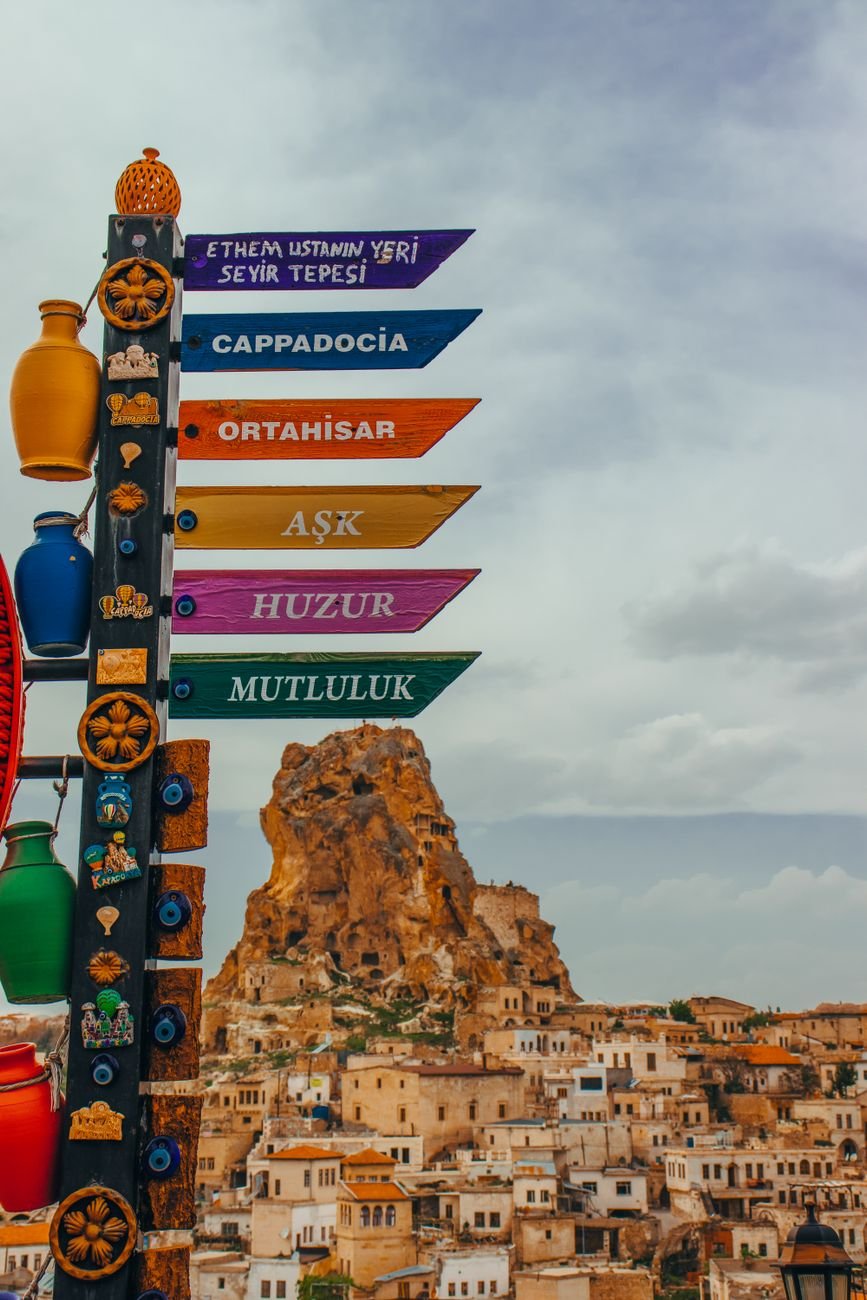
For travelers seeking a quieter, more upscale environment, Ürgüp offers refined boutique hotels, fine dining establishments, and a reputation for local winemaking. Uçhisar, dominated by its massive rock fortress, provides panoramic views of the entire region from its elevated position on the plateau. Avanos, situated along the banks of the Red River, presents a different cultural perspective centered around traditional pottery making rather than cave architecture. Comparing these options allows visitors to tailor their lodging to specific travel styles, ensuring a comfortable and strategically convenient home base throughout the journey.
Understanding the Comparison: Regional Bases at a Glance
| Town Name | Vibe and Atmosphere | Best Suited For | Key Highlight |
|---|---|---|---|
| Göreme | Bustling, central, tourist-friendly | First-time visitors and hikers | Open-Air Museum and proximity to trailheads |
| Ürgüp | Sophisticated, quiet, wine-centric | Couples and luxury travelers | Boutique hotels and local vineyards |
| Uçhisar | Dramatic, elevated, scenic | Photographers and panorama seekers | Uçhisar Castle rock fortress |
| Avanos | Artisanal, riverside, relaxed | Culture enthusiasts and families | Traditional pottery workshops |
Mastering the Hot Air Balloon Experience
No overview of the region is complete without addressing the iconic aerial excursions that drift over the valleys at dawn. Hot air ballooning has become synonymous with the local tourism industry, drawing thousands of spectators and participants daily. The flight window depends heavily on meteorological conditions regulated by the Turkish Directorate General of Civil Aviation, which grants or denies flight permits based on wind speeds and visibility. Consequently, travelers must build flexibility into their schedules, booking flights for the first morning of their stay to allow for alternative dates in case of cancellations due to adverse weather.
Securing a spot in a basket requires booking weeks or months in advance, particularly during peak travel seasons in spring and autumn. Operators generally offer standard and comfort packages, differing primarily in basket size and passenger capacity. The morning routine begins well before sunrise, with passengers transported from their hotels to the launch site while the giant envelopes are inflated with hot air. As the sun crests the horizon, dozens of colorful spheres lift off simultaneously, offering breathtaking, unobstructed views of the carved valleys, orchards, and rock formations below. For those who prefer remaining on solid ground, designated viewpoints in Göreme and Uçhisar offer spectacular vantage points to watch the morning spectacle unfold against the painted sky.
Navigating the Subterranean Cities and Rock-Cut Churches
Beneath the sunlit plateaus lies a hidden network of underground cities constructed centuries ago as secure refuges during times of invasion. Sites such as Derinkuyu and Kaymaklı descend multiple stories beneath the earth, featuring ventilation shafts, stables, wine cellars, chapels, and communal kitchens. These subterranean marvels demonstrate advanced engineering and urban planning, designed to sustain thousands of residents for extended periods. Exploring these narrow, low-ceilinged tunnels requires comfortable footwear and a willingness to navigate enclosed spaces, making guided tours beneficial for understanding the historical timeline and defensive mechanisms utilized by ancient inhabitants.
Above ground, the Göreme Open-Air Museum preserves a vast monastic complex carved directly into the rock face. This UNESCO World Heritage site contains numerous churches dating from the tenth to the thirteenth centuries, adorned with remarkably preserved fresco paintings depicting biblical scenes. Pigments extracted from local minerals illustrate the artistic techniques of Byzantine monks who sought isolation and spiritual devotion in this remote landscape. Visitors walk along paved paths connecting the various refectories, chapels, and storage rooms, observing how natural geological formations were ingeniously adapted for religious architecture.
Hiking the Valleys: Trails for Every Skill Level
Surface exploration is best conducted on foot, as a network of well-marked trails weaves through the diverse valleys, connecting major landmarks. Rose Valley and Red Valley derive their names from the distinct pink and crimson hues of the rock strata, which glow intensely during the late afternoon hours. Hiking through these gorges reveals hidden cave churches, abandoned pigeon houses carved into cliffs, and local fruit orchards cultivated by residents. Trails vary in length and technical difficulty, allowing casual walkers and experienced hikers alike to find suitable routes.
Love Valley offers another striking landscape characterized by exceptionally tall, slender fairy chimneys, while Pigeon Valley showcases thousands of small cavities carved into cliff sides to collect guano, historically used as agricultural fertilizer. Navigating these trails requires adequate hydration, sun protection, and a reliable offline map, as mobile signal strength can fluctuate within deep canyons. Early morning or late afternoon walks provide comfortable temperatures and ideal lighting conditions for photography, avoiding the midday heat common during summer months.
Culinary Traditions and Local Gastronomy
Regional cuisine reflects a blend of Central Anatolian flavors influenced by historical trade routes and agricultural abundance. A culinary staple of the area is the pottery kebab, locally known as testi kebabı. This dish consists of lamb, beef, or vegetables combined with garlic, onions, and tomatoes, sealed inside a handmade clay pot and slow-cooked in a traditional wood-fired oven. When served, the clay vessel is ceremoniously cracked open at the table, releasing aromatic steam and rich flavors.
Local viticulture also plays a significant role in the regional economy, utilizing indigenous grape varieties such as Emir and Narince grown in volcanic soil. Wineries located in Ürgüp and surrounding villages offer tastings that highlight the unique minerality imparted by the local terroir. Traditional dining establishments often occupy restored cave structures or historic stone houses, providing an atmospheric setting to sample lentil soups, stuffed grape leaves, and local flatbreads baked over open flames.
Essential Practical Tips for First-Time Travelers
A successful journey to Central Anatolia depends on proper preparation regarding logistics, seasonal timing, and cultural awareness. The most favorable periods for visiting are spring (April to June) and autumn (September to November), when daytime temperatures remain moderate and hiking conditions are optimal. Summer months bring intense midday heat and larger crowds, while winter introduces sub-freezing temperatures and occasional snowfall, which transforms the landscape into a serene, snow-covered wonderland favoured by landscape photographers.
Transportation within the region can be managed through rental cars, local dolmuş minibuses connecting the towns, or organized day tours. Renting a vehicle offers the greatest flexibility for exploring remote sites such as the Ihlara Valley or the Selime Monastery without adhering to rigid schedules. Visitors should also carry cash in Turkish Lira for small purchases at village markets, entrance fees to independent historical sites, and tipping customs at dining establishments. Respecting local customs, particularly when visiting rural villages or active religious sites, ensures a welcoming and positive interaction with residents.
Conclusion
Embarking on a journey through this remarkable Central Anatolian region offers an unforgettable encounter with geological history, ancient human adaptation, and breathtaking natural beauty. From witnessing dawn illuminate the sky with dozens of floating spheres to descending into multi-story subterranean shelters and hiking through rose-tinted canyons, every aspect of the destination provides deep historical value. Careful planning regarding accommodation, seasonal timing, and logistical transport ensures a seamless experience for those discovering the area for the first time. By respecting the delicate environment, supporting local artisans, and maintaining flexibility in daily itineraries, travelers unlock the true essence of this timeless landscape, creating memories that last a lifetime.
Featured Image Credit: Generated/Sourced via Unsplash.
Disclaimer: This article is AI-generated for informational and educational purposes. While we strive to provide high-quality context and authority, the content should not be used as professional advice. The author/website assumes no liability for external links or factual omissions.