


Best Eco Friendly Hotels in Thailand for Sustainable Travel
Tourism in Southeast Asia has reached a critical juncture where the sheer volume of visitors creates undeniable pressure on local ecosystems. Thailand remains one of the most visited destinations globally, yet this popularity carries a heavy ecological footprint ranging from marine degradation to massive municipal waste generation. Conscious travelers increasingly demand alternatives that preserve the very landscapes they wish to explore. Sustainable hospitality has evolved from a marketing novelty into a rigorous operational standard, driven by properties implementing zero-waste policies, renewable energy systems, and genuine community integration. Selecting accommodations designed with ecological integrity at their core allows visitors to enjoy the nation’s natural beauty without compromising the future of local habitats.
The Evolution of Green Lodging in the Land of Smiles
The hospitality sector in Thailand has undergone a profound transformation over the past decade, moving far beyond basic towel-reuse programs into sophisticated environmental engineering. Modern green hotels now incorporate advanced architectural techniques, such as passive cooling systems, solar microgrids, and closed-loop water treatment facilities. According to research published by the Global Sustainable Tourism Council, verified sustainable properties significantly reduce their carbon intensity compared to conventional resorts of equivalent size. Independent certifications issued by programs like Green Fins for marine-focused operations and the Tourism Authority of Thailand Sustainability Standards provide travelers with reliable benchmarks to evaluate environmental claims.
Properties leading this movement demonstrate that luxury and ecological responsibility are not mutually exclusive. Instead of relying on imported luxuries, progressive resorts source building materials locally, utilizing rammed earth, reclaimed teak, and non-toxic finishes that blend seamlessly into the surrounding jungle or coastal environment. Energy efficiency is achieved through smart architecture that captures prevailing sea breezes or mountain drafts, minimizing the need for energy-intensive air conditioning. Water conservation is equally rigorous, utilizing constructed wetlands and graywater recycling systems to nourish organic permaculture gardens that supply the property’s kitchens.
Key Criteria for Evaluating Sustainable Resorts
Navigating the landscape of eco-tourism requires a clear understanding of what distinguishes genuine sustainability from superficial greenwashing. Travelers must examine specific operational metrics rather than relying solely on promotional imagery featuring lush greenery. Authentic eco-lodges transparently disclose their resource management strategies, community benefit sharing, and biodiversity conservation initiatives.
- Renewable Energy Integration: Facilities utilizing solar photovoltaic arrays, biomass energy, or wind power to offset a substantial portion of their daily electricity demand.
- Zero Single-Use Plastics: Complete elimination of bottled water, plastic straws, bathroom amenities in single-use containers, and packaging waste throughout the supply chain.
- Biodiversity Restoration: Active participation in habitat protection, reforestation projects, or marine conservation efforts that restore indigenous flora and fauna.
- Community Empowerment: Fair employment practices, procurement of goods from local farmers and artisans, and financial support for regional education or healthcare initiatives.
- Organic Food Production: On-site permaculture farming or direct sourcing from regional organic producers to reduce food miles and support regenerative agriculture.
Comparative Overview of Leading Green Properties
| Property Name | Location | Primary Sustainability Focus | Key Ecological Feature |
|---|---|---|---|
| Keemala | Phuket | Rainforest preservation and architecture | Pod-like villas built around existing trees without clearing canopy |
| Soneva Kiri | Koh Kood | Zero-waste and marine protection | Comprehensive on-site waste-to-wealth center and coral restoration |
| The Gibbon Experience / Tree Top Eco-Lodge | Chiang Mai region | Wildlife conservation and community forestry | Direct funding of anti-poaching patrols and community-led protection |
| Six Senses Yao Noi | Phang Nga Bay | Energy independence and organic agriculture | Solar farm, organic chicken farm, and glass-bottling plant |
| Aleenta Resort & Spa | Phuket/Phang Nga | Turtle conservation and coastal protection | Dedicated marine biology center and leatherback sea turtle nesting protection |
Architectural Innovation and Resource Management
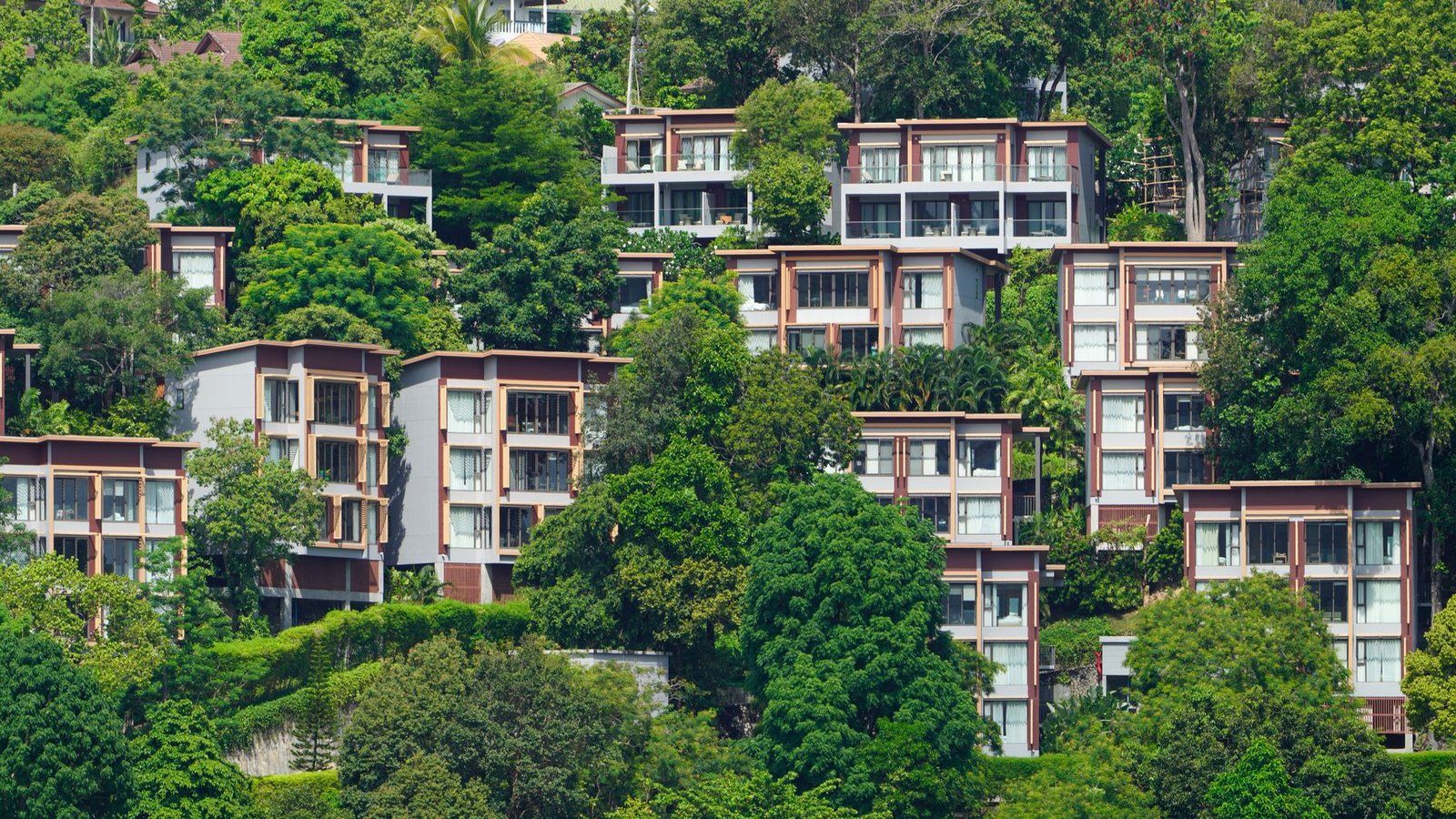
The physical structure of a sustainable hotel dictates its long-term environmental impact. Traditional resort construction often involves clearing vast tracts of native vegetation, disrupting hydrological cycles, and introducing impermeable surfaces that cause severe soil erosion. In contrast, leading eco-friendly properties in Thailand employ low-impact architecture that elevates structures on stilts, preserves mature trees, and maintains natural drainage pathways.
Water stewardship represents another critical pillar of sustainable hotel operations. In regions prone to seasonal water scarcity, advanced properties implement rainwater harvesting systems coupled with reverse osmosis filtration for potable supplies. Wastewater undergoes multi-stage biological treatment using constructed wetlands planted with native reeds and aquatic species that naturally filter impurities before the water is safely redirected to irrigate non-food crops. Energy management systems utilize automated occupancy sensors and smart thermostats to reduce power consumption in unoccupied spaces, while high-efficiency LED lighting minimizes thermal output and electrical load.
Community Integration and Cultural Preservation
True sustainability extends far beyond environmental metrics to encompass the social and economic well-being of host communities. Ethical tourism operations in Thailand prioritize local employment, ensuring that management roles and skilled positions are accessible to regional residents rather than exclusively filled by international expatriates. Fair wages, comprehensive health benefits, and continuous professional development programs foster stable livelihoods and reduce economic vulnerability in rural districts.
Cultural preservation is equally vital in preventing the commodification of local traditions. Responsible resorts collaborate directly with indigenous artisans and cultural practitioners, ensuring that guest experiences reflect authentic heritage rather than commercialized caricatures. Culinary programs emphasize regional cuisine prepared with indigenous ingredients, supporting small-scale farmers and preserving agricultural biodiversity. Educational workshops led by local naturalists and community elders offer guests deep insights into traditional ecological knowledge, fostering mutual respect and cross-cultural understanding.
Frequently Asked Questions About Green Travel in Thailand
How can travelers verify if a hotel is genuinely eco-friendly?
Travelers should look for recognized third-party certifications such as EarthCheck, Green Globe, or the GSTC-accredited certifications managed by local bodies. Checking the hotel’s sustainability report for concrete data on energy reduction, waste diversion rates, and community investment provides deeper insight than marketing descriptions.
Is it possible to travel sustainably in Thailand without renting private transportation?
Yes, Thailand possesses an extensive public railway network and regional bus systems that offer significantly lower carbon emissions than domestic flights or private car rentals. Many eco-lodges also provide electric vehicle transfers or coordinate shared transport options from major transit hubs.
Do eco-friendly hotels in Thailand lack modern luxury amenities?
Sustainability no longer requires sacrificing comfort. Many of Thailand’s premier green resorts offer five-star amenities, including world-class spas, fine dining, and elegantly appointed villas, while operating entirely off-grid or maintaining net-zero carbon footprints through innovative engineering.
What is the best time of year to visit Thailand for low-impact travel?
Visiting during the shoulder seasons—typically between May and October, depending on the specific region—helps alleviate the intense pressure of overtourism experienced during peak winter months. This timing also aligns with lower energy demands on local municipal grids and supports year-round employment for hospitality staff.
Conclusion
The transformation of Thailand’s hospitality landscape toward rigorous environmental and social responsibility demonstrates that modern tourism can coexist with ecological preservation. Choosing certified green accommodations allows visitors to actively contribute to habitat restoration, carbon reduction, and community empowerment while experiencing the nation’s diverse natural wonders. As sustainable travel practices become increasingly sophisticated, travelers hold the purchasing power to drive further industry-wide reforms. Embracing conscious choices in lodging ensures that Thailand’s vibrant ecosystems, rich cultural heritage, and pristine coastlines remain resilient and accessible for generations to come.
Featured Image Credit: Generated/Sourced via Unsplash.
Disclaimer: This article is AI-generated for informational and educational purposes. While we strive to provide high-quality context and authority, the content should not be used as professional advice. The author/website assumes no liability for external links or factual omissions.