

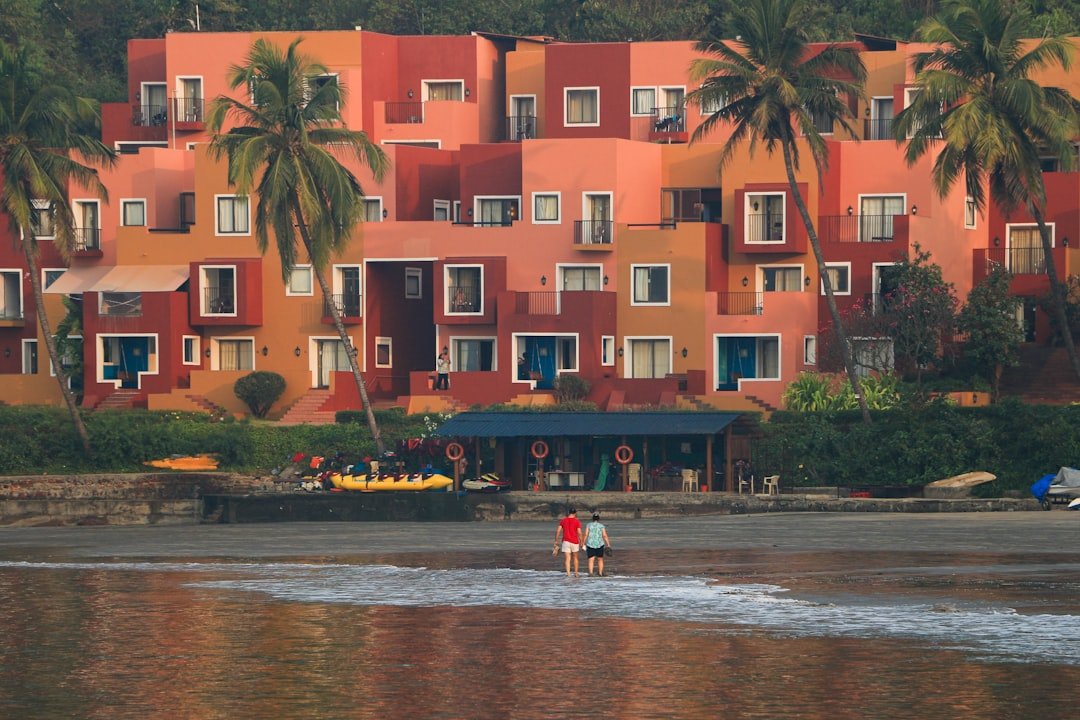

Affordable Beachfront Resorts in Bali with Private Pool
The Indonesian island of Bali remains a premier global destination for travelers seeking tropical beauty, rich cultural traditions, and high-end hospitality without exorbitant costs. Securing a stay where the ocean meets the shore while enjoying the exclusivity of a personal dip has traditionally been associated with luxury travel budgets exceeding thousands of dollars per night. However, shifting hospitality markets, regional economic factors, and expanding infrastructural developments across Indonesia have made affordable beachfront resorts in Bali with private pool options increasingly accessible to mid-range travelers. Finding these properties requires understanding regional variations, seasonal pricing fluctuations, and the specific amenities that differentiate a standard hotel room from a true coastal sanctuary.
Understanding Bali’s Coastal Microclimates for Budget Travelers
Geography dictates pricing structures across the island, heavily influencing where budget-conscious travelers can locate affordable beachfront resorts in Bali with private pool accommodations. Seminyak and Canggu command premium rates due to their high concentration of trendy dining venues, surf culture, and nightlife districts. Conversely, regions situated further east, north, and west provide significantly higher value for accommodation investments.
Amed and Candidasa on the eastern coast offer volcanic sand beaches, exceptional coral reef access for snorkeling enthusiasts, and tranquil surroundings. Properties located along these shores frequently price their private pool villas at a fraction of the cost found in southern hotspots while maintaining direct access to the water. Similarly, the western coastline stretching toward Negara presents wide, uncrowded expanses where hospitality developments focus on spacious layouts and competitive nightly rates. Evaluating these geographic alternatives allows travelers to align their financial parameters with authentic coastal environments rather than paying inflated marketing premiums associated with ultra-commercialized zones.
Evaluating Value: What Defines an Affordable Private Pool Villa on the Beach
Distinguishing genuine economic value from misleading promotional offers involves analyzing specific structural and service components included in the nightly rate. Affordable beachfront resorts in Bali with private pool facilities must balance cost reduction with structural integrity, cleanliness, and functional amenities.
- Pool Dimensions and Privacy: Budget-friendly properties sometimes feature plunge pools rather than full-sized swimming facilities. Assessing square footage ensures the pool meets relaxation requirements.
- Direct Shoreline Access: True beachfront properties eliminate the need for road crossings to reach the sand. Proximity to the high-tide line directly impacts the sensory experience of the stay.
- Inclusions and Hidden Fees: Breakfast provisions, high-speed internet connectivity, and airport transfer services should ideally form part of the base rate to prevent unexpected expense inflation.
- Maintenance Standards: Regular water filtration and tile upkeep are critical indicators of property management quality, even in lower price brackets.
Regional Comparison of Coastal Pricing and Amenities
| Region | Average Nightly Rate (USD) | Beach Type | Private Pool Availability | Primary Attraction |
|---|---|---|---|---|
| Candidasa | $90 – $160 | Volcanic Sand / Pebble | High | Quiet Atmosphere, Diving |
| Amed | $80 – $140 | Black Sand | Moderate | Marine Life, Snorkeling |
| Tabanan | $110 – $190 | Black Sand / Surf | High | Rice Paddies, Coastal Views |
| Lovina | $70 – $130 | Calm Volcanic Sand | Moderate | Dolphin Watching, Gentle Waters |
| Nusa Dua (Periphery) | $150 – $250 | White Sand | Low (Mostly Resorts) | Managed Beaches, Security |
Strategic Booking Windows and Seasonal Cost Management
Securing competitive rates at affordable beachfront resorts in Bali with private pool configurations relies heavily on timing strategies. The island experiences distinct meteorological seasons that directly govern hospitality pricing models across all districts.
The dry season, spanning from April to October, brings optimal weather conditions characterized by lower humidity and minimal rainfall. High demand during the months of July and August, alongside the Australian school holiday periods and the end-of-year festive weeks, drives accommodation costs upward. Booking several months in advance becomes essential during these peak intervals to secure favorable rates before inventories deplete.
Conversely, the shoulder seasons—specifically May, June, and September—offer an ideal balance of favorable weather and reduced occupancy rates. Properties frequently introduce promotional packages, extended-stay discounts, or complimentary spa treatments to attract guests during these windows. The wet season, extending from November to March, yields the lowest price points across the hospitality sector. While afternoon tropical downpours occur regularly, precipitation rarely disrupts daily itineraries entirely, making this period highly advantageous for cost-conscious visitors seeking maximum value.
Architectural Styles and Design Innovations in Budget Coastal Resorts
Modern hospitality engineering has revolutionized how architects construct affordable beachfront resorts in Bali with private pool amenities without compromising aesthetic appeal or structural durability. Traditional Balinese architecture emphasizes open-air living spaces, local natural materials, and seamless integration with the surrounding tropical ecosystem.
Builders utilize sustainably harvested bamboo, local volcanic stone, and recycled teakwood to construct villa frameworks that reduce material importation expenses while enhancing authentic regional charm. Private pools are engineered using compact geometric layouts that optimize spatial efficiency within smaller land parcels, allowing developers to construct multiple independent villas along a single stretch of coastline. This layout density reduces per-unit land costs, which directly translates to lower nightly rates for consumers. Furthermore, louvered wall systems and high vaulted ceilings promote natural cross-ventilation, minimizing reliance on energy-intensive air conditioning units and lowering operational overhead for property management teams.
Culinary Integration and Local Dining Economies
Staying at affordable beachfront resorts in Bali with private pool setups provides unique opportunities to engage with local culinary traditions and manage daily sustenance expenditures effectively. Many boutique properties incorporate complimentary breakfast provisions featuring regional specialties such as nasi goreng, fresh tropical fruits, and locally sourced coffee, establishing a strong foundation for the day’s activities.
Beyond the resort boundaries, independent neighborhood eateries known as warungs offer authentic Indonesian cuisine at minimal costs. Dining at these establishments supports regional agricultural networks and independent culinary operators while delivering high nutritional value. For guests preferring in-room dining experiences, properties frequently feature basic kitchenette facilities or convenient room service menus featuring locally caught seafood prepared with traditional spice pastes. Balancing resort dining with neighborhood exploration prevents dietary expenses from exceeding the overall travel budget.
Transportation Logistics for Remote Coastal Stays
Accessing secluded or less-commercialized beachfront zones requires strategic logistical planning to maintain overall trip affordability. While southern transit hubs like Denpasar International Airport maintain standardized taxi networks, reaching eastern or northern coastal districts involves longer travel durations and specialized transportation arrangements.
Renting a self-drive scooter represents the most cost-effective transportation method for mobile travelers comfortable with regional traffic conditions. However, navigating winding coastal roads requires valid international driving permits and adherence to safety protocols. For families or groups carrying luggage, hiring a private driver for daily transit or airport transfers provides a reliable, fixed-cost alternative that eliminates negotiation uncertainties. Many properties assist in coordinating these logistics directly through established regional partnerships, ensuring transparent pricing structures for guests.
Frequently Asked Questions
What is the average price range for affordable beachfront resorts in Bali with a private pool?
Rates typically range from $70 to $200 per night, depending heavily on the geographical region, seasonal timing, and the specific property scale. Eastern and northern coasts offer the most competitive pricing structures.
Do affordable beachfront resorts in Bali with private pool options sacrifice cleanliness or safety?
No. Reputable budget properties maintain rigorous hygiene standards and structural safety protocols. Reading recent verified guest reviews helps identify establishments that consistently uphold quality maintenance.
Are meals typically included when booking these resorts?
Breakfast is frequently included in the base nightly rate, while lunch, dinner, and beverage options generally incur separate charges unless promotional half-board packages are selected during the booking process.
Which month offers the lowest rates for coastal stays in Bali?
January and February typically record the lowest occupancy rates and most aggressive promotional discounting due to the peak of the regional rainy season.
Is it better to book directly with the property or through third-party platforms?
Comparing rates across multiple channels is recommended. While online travel agencies offer loyalty benefits and cancellation protections, direct booking channels occasionally provide exclusive value-add inclusions such as complimentary airport transfers or spa credits.
Conclusion
Navigating the market for affordable beachfront resorts in Bali with private pool accommodations involves balancing geographic preferences, seasonal pricing dynamics, and logistical considerations. By looking beyond heavily commercialized southern enclaves and exploring the rich coastal tapestries of the east and north, travelers unlock exceptional value without sacrificing the quintessential tropical experience. Meticulous planning, strategic timing during shoulder or wet seasons, and an appreciation for local architecture and dining economies ensure a rewarding, cost-effective journey. Embracing these insights empowers travelers to experience the serenity of private coastal living against the backdrop of Bali’s enduring natural beauty.
Featured Image Credit: Generated/Sourced via Unsplash.
Disclaimer: This article is AI-generated for informational and educational purposes. While we strive to provide high-quality context and authority, the content should not be used as professional advice. The author/website assumes no liability for external links or factual omissions.