

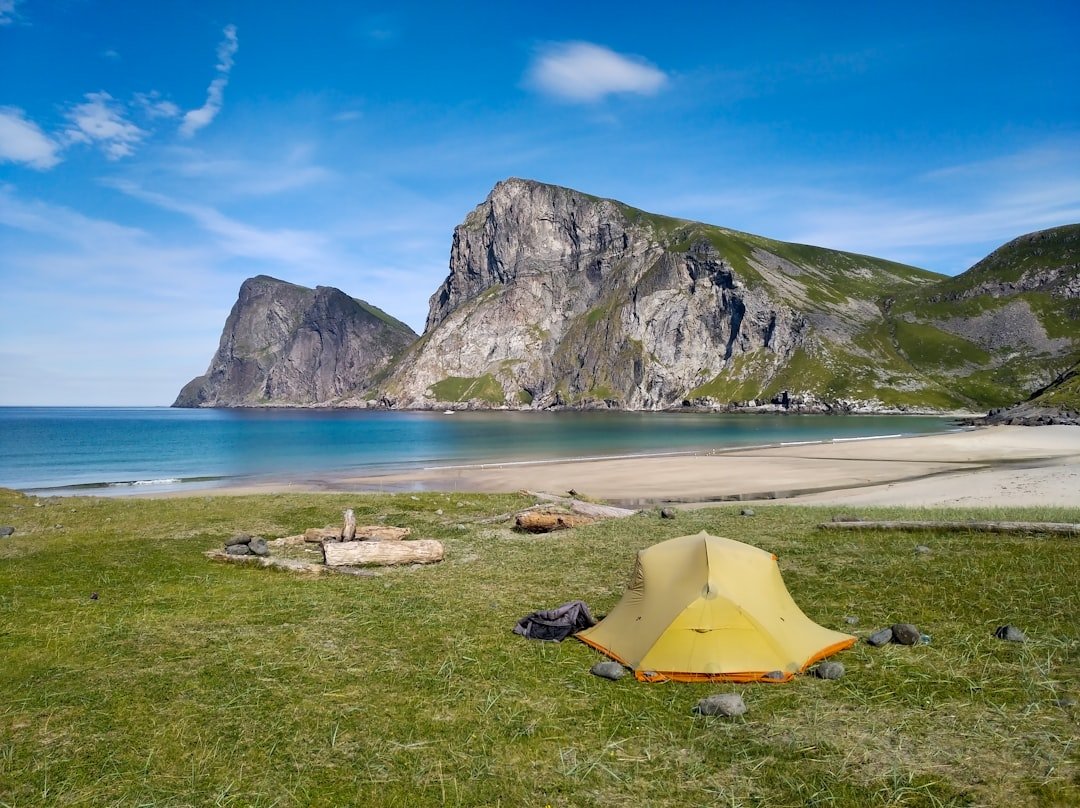

Europe during the summer season transforms into a diverse canvas of landscapes, welcoming outdoor enthusiasts from across the globe to experience its varied terrain. From the dramatic jagged peaks of the Scandinavian mountains to the sun-drenched coastal cliffs of the Mediterranean, the continent offers an unmatched variety of outdoor retreats. Selecting the right location for a summer escape requires a careful balance of climate preferences, accessibility, outdoor activity interests, and infrastructure quality. Public land policies, private campground networks, and wild camping regulations differ significantly from one nation to another, shaping how travelers experience the environment. Navigating these regional differences ensures a seamless journey, whether pitching a lightweight trekking tent above the Arctic Circle or setting up a family-sized motorhome along the Atlantic coastline. Modern outdoor hospitality has evolved far beyond basic pitching spaces, incorporating eco-friendly facilities, sustainable energy solutions, and high-speed connectivity while preserving the natural wilderness that draws visitors outdoors. Understanding the regional nuances, peak seasonal patterns, and regulatory frameworks allows travelers to curate an unforgettable itinerary tailored to their specific outdoor goals.
The Allure of Alpine Camping in Switzerland and Austria
The central European alpine region delivers some of the most visually striking topography on the continent, making the Swiss and Austrian Alps premier locations for high-altitude outdoor getaways. Summer temperatures in these elevated valleys remain pleasantly moderate, typically hovering between 20°C and 25°C, providing a welcome respite from the sweltering heat waves often affecting urban centers further south. Campgrounds in regions like the Bernese Oberland or the Austrian Tyrol are strategically positioned near extensive networks of well-maintained hiking trails, via ferrata routes, and crystalline alpine lakes. Facilities in this region reflect traditional alpine precision, featuring heated sanitary blocks, drying rooms for outdoor gear, and comprehensive recycling systems.
Visitors navigating these mountain environments must remain mindful of rapidly changing weather patterns, as afternoon thunderstorms frequently develop over high peaks during July and August. Planning daily excursions requires checking localized meteorological forecasts issued by organizations such as MeteoSwiss or GeoSphere Austria to avoid unexpected exposure to severe weather. Furthermore, local municipal regulations strictly govern waste disposal and campfire safety, heavily penalizing open fires outside of designated campground fire pits. Pitching a tent beneath the looming limestone faces of the Dachstein Alps or waking up to the sound of cowbells echoing across an emerald pasture offers a deeply immersive connection to central European geography.
Coastal Escapes along the French Riviera and Corsica
Transitioning from the crisp mountain air of the Alps to the shimmering waters of the Mediterranean reveals an entirely different style of summer outdoor recreation. The coastline of southern France and the rugged island of Corsica present exceptional opportunities for combining maritime leisure with coastal wilderness living. Pitching camp beneath the shade of umbrella pines along the French Mediterranean coast provides immediate access to secluded pebble coves, crystal-clear snorkeling sites, and vibrant coastal villages. Meanwhile, the island of Corsica challenges trekkers with the legendary GR20 trail while offering coastal sites where azure waves lap against granite boulders.
Summer climate conditions along the Mediterranean demand specific preparation regarding UV protection, hydration, and shade management, as daytime temperatures frequently exceed 30°C. Many coastal establishments operate at full capacity during July and August, driven by heavy domestic and international tourism, necessitating advance reservations several months prior to arrival. Environmental conservation remains a critical priority in these coastal zones, with strict management of water resources and strict bans on unauthorized beach camping to protect fragile dune ecosystems and native flora like sea daffodils. Travelers seeking a balance between rugged nature and coastal relaxation will find that southern European seaside sites deliver a vibrant atmosphere complemented by rich culinary traditions and maritime heritage.
Nordic Wilderness: Exploring Norway and Sweden
For travelers seeking expansive wilderness, endless daylight, and profound solitude, the Scandinavian nations of Norway and Sweden represent the ultimate northern frontier. The legal frameworks governing public access in these countries, famously known as Allemannsretten in Norway and Allemansrätten in Sweden, enshrine the right of public access to roam freely through uncultivated land, including the right to pitch a tent temporarily. This legal tradition fosters a unique travel culture centered on self-reliance, respect for nature, and minimal environmental impact. During the peak summer months, the phenomenon of the midnight sun extends daylight hours indefinitely across the Arctic Circle, allowing hikers to summit peaks or fish in glacial rivers long past midnight without artificial illumination.
Navigating the northern wilderness requires careful attention to midgets and mosquitoes, which can be prolific near wetland areas and calm forest lakes during mid-summer. Packing insect repellent containing DEET or Picaridin, along with mesh head nets, is standard practice for anyone exploring the taiga and tundra zones. Additionally, water safety is paramount when consuming water directly from rushing mountain streams; utilizing portable filtration systems or boiling water prevents exposure to parasites like Giardia. The rugged topography of the Norwegian fjords and the dense pine forests of Swedish Lapland provide a masterclass in raw, untouched geography that continually captivates independent explorers.
Comparative Overview of European Camping Regions
| Region | Primary Landscape | Peak Summer Climate | Key Regulatory Feature | Best Suited For |
|---|---|---|---|---|
| Alpine (Switzerland/Austria) | Mountains, Valleys, Lakes | Mild (20°C – 25°C), occasional storms | Strict waste and fire control | Hikers, mountaineers, families |
| Mediterranean (France/Corsica) | Coastlines, Coves, Islands | Warm to Hot (30°C+), dry | Strict bans on wild coastal camping | Swimmers, beachgoers, sunseekers |
| Nordic (Norway/Sweden) | Fjords, Forests, Tundra | Cool (15°C – 22°C), 24-hour daylight | Legal right to roam (Allemansrätten) | Solitude seekers, backpackers |
| Iberian (Spain/Portugal) | Atlantic Coast, Interior Hills | Warm, arid in interior | Regulated regional park access | Surfers, cultural explorers |
Essential Gear and Preparation Strategies
Preparing for a multi-week European summer journey requires a disciplined approach to equipment selection, weight management, and modular packing. Weather variability across the continent means a single trip could involve freezing overnight temperatures in high mountain passes and intense, dry heat along southern coastlines. A high-quality three-season tent featuring strong aluminum poles and a reliable waterproof flysheet is non-negotiable for withstanding sudden alpine downpours or coastal gale-force winds. Sleep systems should be chosen based on regional altitude rather than just calendar dates; an insulating sleeping pad with a high R-value is essential when camping on granite bedrock in Scandinavia or high-altitude plateaus in the Alps.
Logistical planning also involves understanding vehicle and electrical standards across different countries. European campgrounds utilize standard CEE 7/4 (Schuko) or CEE 7/5 (French) electrical sockets, requiring travelers who plug into site power pedestals to carry appropriate blue CEE industrial plugs and adapter cords. Furthermore, driving a campervan or towing a caravan through historic European villages demands familiarity with low-emission zones, toll road systems, and narrow medieval street layouts. Prioritizing compact equipment, digital navigation tools downloaded for offline use, and a comprehensive first-aid kit ensures preparedness for any unexpected scenario encountered along the road.
Frequently Asked Questions
Is wild camping legal throughout Europe during the summer?
Wild camping laws vary drastically by country. While Norway, Sweden, and Finland permit temporary wild camping on uncultivated land under freedom-to-roam laws, most of central, southern, and western Europe strictly prohibits wild camping, requiring travelers to stay exclusively in designated official campgrounds or authorized camper areas.
How far in advance should I book European summer campsites?
For popular coastal regions in France, Italy, and Spain, as well as high-demand national parks in Switzerland and Austria, reservations should be made between four to eight months in advance, particularly for July and August. In contrast, remote northern regions in Scandinavia require far less advance booking due to vast land availability.
What type of electrical hookups are standard in European campgrounds?
Most modern European campgrounds utilize the blue CEE 3-pin industrial connector supplying 230V electricity. Campers should pack a standard camping extension lead equipped with this blue plug and appropriate local adapters to ensure compatibility.
Are campfires permitted during European summer vacations?
Due to high wildfire risks during dry summer months, open campfires are banned in the vast majority of European campgrounds, national parks, and forests. Cooking must typically be performed using enclosed gas, multi-fuel, or electric stoves within designated areas.
Conclusion
Embarking on a summer outdoor journey across Europe offers an unparalleled opportunity to experience the continent’s most breathtaking natural landscapes from an intimate, immersive perspective. From the towering peaks of the alpine heartland and the sun-bleached shores of the Mediterranean to the boundless wilderness of the Nordic north, each region presents distinct rewards for the prepared traveler. Success in these environments hinges on thorough preparation, respect for local conservation laws, and an adaptable mindset when facing shifting weather conditions. By embracing the diverse geographical tapestry and adhering to sustainable travel practices, outdoor enthusiasts contribute to the preservation of these fragile ecosystems for future generations. Careful itinerary design combined with reliable equipment ensures that every journey into the European wilderness remains safe, memorable, and deeply rewarding.
Featured Image Credit: Generated/Sourced via Unsplash.
Disclaimer: This article is AI-generated for informational and educational purposes. While we strive to provide high-quality context and authority, the content should not be used as professional advice. The author/website assumes no liability for external links or factual omissions.