

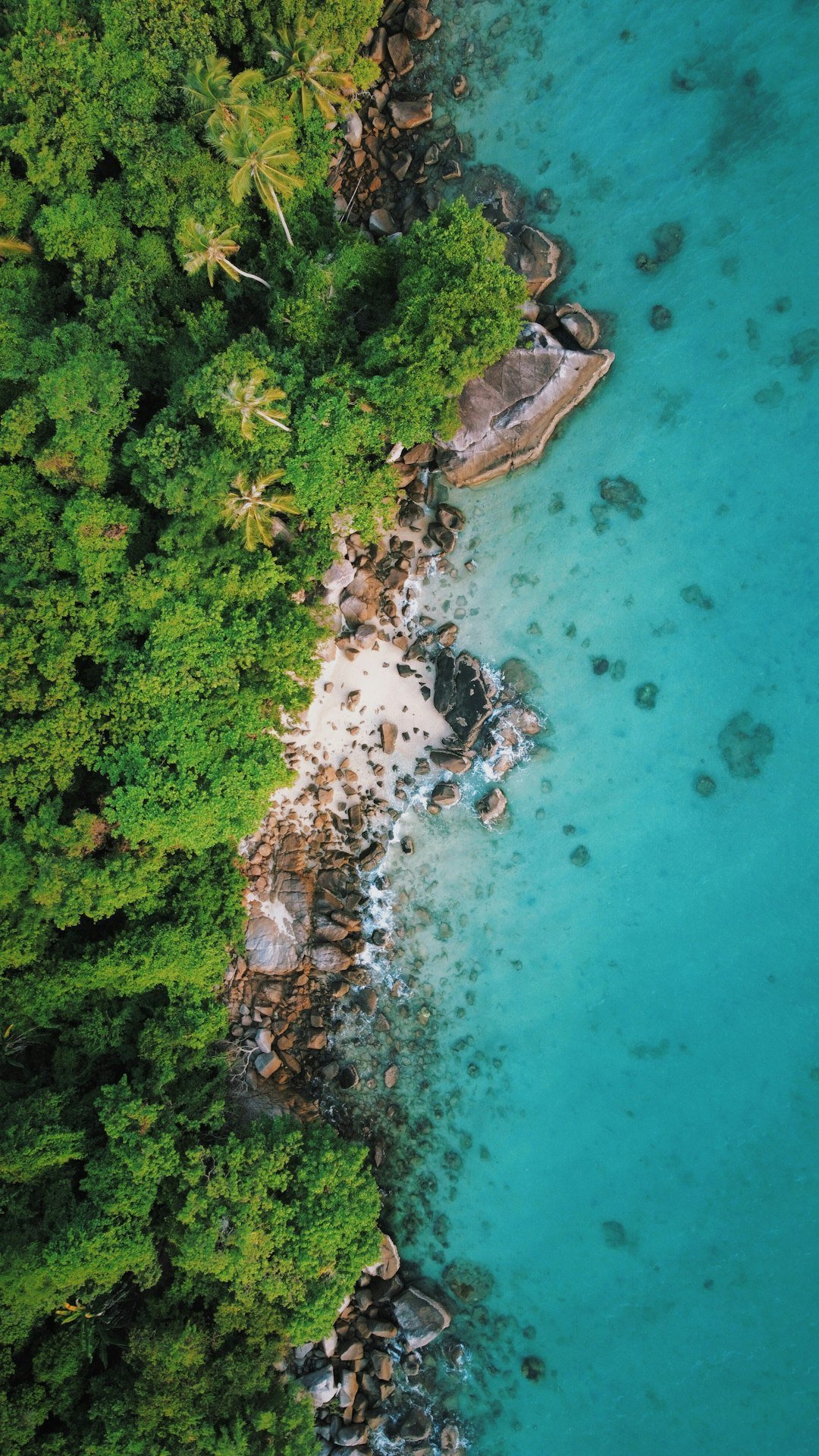

Submerged beneath the turquoise waters of the tropics lies a realm that continues to captivate marine biologists, conservationists, and adventure travelers alike. For aquatic enthusiasts planning their next aquatic journey, the focus naturally shifts toward the top scuba diving destinations in Southeast Asia 2026. This vibrant region remains the global epicenter of marine biodiversity, sheltering thousands of species of fish, intricate coral reef systems, and pelagic wonders that draw visitors from every corner of the globe. Navigating these waters requires an understanding of regional monsoon patterns, ecological preservation efforts, and the distinct characteristics that make each underwater site unique. From the volcanic slopes of Indonesia to the limestone karsts of Thailand, the underwater topography varies dramatically, offering diverse challenges and rewards for every certification level. Analyzing current oceanic trends and regional conservation updates ensures that travelers make informed decisions while experiencing the finest aquatic environments available today.
Raja Ampat, Indonesia: The Crown Jewel of Marine Biodiversity
Positioned at the heart of the Coral Triangle, Raja Ampat stands as an undisputed priority for anyone evaluating the top scuba diving destinations in Southeast Asia 2026. Scientific surveys regularly record the highest concentration of marine species on Earth within these remote Indonesian waters, making it a focal point for global marine conservation. The sheer volume of juvenile reef fish, majestic manta rays, and rare wobbegong sharks creates an environment where every descent yields remarkable biological observations.
Strong currents sweep through narrow channels between emerald-capped karst islands, delivering nutrient-rich waters that fuel vibrant soft coral gardens. Dives in this region demand careful planning and solid buoyancy control to manage unpredictable water movement safely. Local conservation groups and marine parks enforce strict regulations to protect these fragile ecosystems from over-tourism, ensuring that reef health remains pristine. Photographers frequently favor this location for its exceptional macro life, where pygmy seahorses hide among sea fans and blue-ringed octopuses patrol the sandy shallows.
Komodo National Park: Drifts, Pelagics, and Volcanic Topography
Further west within the Indonesian archipelago, Komodo National Park offers a thrilling contrast of dramatic underwater landscapes and high-energy drift dives. Waters rushing between the Indian Ocean and the Flores Sea generate powerful currents that attract large pelagic species, including reef sharks, eagle rays, and occasional oceanic sunfish. The topography itself tells a geological story, featuring black volcanic sand slopes, towering underwater pinnacles, and vibrant coral walls sculpted by relentless tidal forces.
Safety protocols in Komodo emphasize proper surface marker buoy deployment and careful listening during dive briefings, as currents can shift rapidly around prominent headpoints. Manta Alley and Castle Rock represent prime examples of sites where schooling trevallies and barracudas congregate in massive numbers. Beyond the marine life, the juxtaposition of arid terrestrial islands inhabited by the famous Komodo dragons creates a striking topside experience that complements the underwater adventures.
Sipadan Island, Malaysia: The Legendary Wall Dive Sanctuary
Malaysia contributes significantly to the appeal of the top scuba diving destinations in Southeast Asia 2026 through the protected oceanic wonder of Sipadan Island. Rising thousands of meters straight up from the seabed in the Celebes Sea, Sipadan creates an isolated marine oasis that draws massive schools of bumphead parrotfish and swirling vortexes of barracudas. Strict daily permit limits protect the island’s delicate ecosystem, requiring advance reservation planning for anyone hoping to secure a slot.
Green and hawksbill turtles inhabit the shallow reefs in exceptional numbers, often resting undisturbed on rocky ledges or swimming gracefully alongside divers. The famed Turtle Tomb, an underwater limestone cave system, presents a fascinating technical challenge for properly certified cave divers, featuring intricate chambers and historical skeletal remains of marine life. Visibility around the island frequently exceeds thirty meters, providing crystal-clear conditions for wide-angle underwater cinematography.
Similan Islands and Richelieu Rock, Thailand: Andaman Sea Marvels
Moving north into the Andaman Sea, Thailand maintains its reputation for world-class underwater exploration via the Similan Islands and the legendary pinnacle of Richelieu Rock. Accessible primarily via liveaboard vessels departing from Phuket or Khao Lak, these sites showcase the rich marine life nurtured by seasonal upwellings. Richelieu Rock, famous for its distinctive purple soft corals, serves as a prominent cleaning station where majestic whale sharks make frequent seasonal appearances.
The granite boulder formations around the Similan Islands create unique swim-throughs, caverns, and deep channels where leopard sharks rest on sandy bottoms. Water temperatures remain warm throughout the year, making these locations highly accessible for newly certified open water divers looking to expand their skill sets in controlled, beautiful surroundings. Local marine authorities enforce seasonal closures to allow the reefs to recover from human interaction, highlighting a strong commitment to long-term ecological sustainability.
Tubbataha Reefs Natural Park, Philippines: Remote Atoll Perfection
In the Sulu Sea of the Philippines, Tubbataha Reefs Natural Park offers an isolated marine wilderness that rewards adventurous travelers with untouched coral atolls. Because the park lies far offshore and is only accessible via liveaboard during a brief weather window from March to June, the reefs remain completely shielded from coastal runoff and overfishing. The results are vibrant, shallow reef flats that transition seamlessly into vertical drop-offs plunging thousands of meters into the blue abyss.
Shark populations thrive here due to decades of strict park enforcement, with whitetip, silvertip, and tiger sharks frequently patrolling the walls. Schools of jacks and snappers form massive ball formations, while manta rays glide effortlessly through the blue currents. The remote nature of Tubbataha demands self-sufficiency and adherence to strict environmental guidelines, reinforcing the principle of leaving no trace behind in pristine marine habitats.
Comparative Overview of Regional Diving Conditions
| Destination | Primary Highlights | Best Time to Visit | Average Water Temp | Recommended Experience Level |
|---|---|---|---|---|
| Raja Ampat, Indonesia | Coral biodiversity, macro life, mantas | October to April | 28–29°C (82–84°F) | Intermediate to Advanced |
| Komodo National Park | Strong currents, sharks, volcanic walls | April to November | 26–28°C (79–82°F) | Advanced (due to currents) |
| Sipadan Island, Malaysia | Turtles, schooling pelagics, wall diving | April to December | 28–30°C (82–86°F) | Beginner to Advanced |
| Similan Islands, Thailand | Whale sharks, granite boulders, mantas | November to April | 27–29°C (81–84°F) | Beginner to Intermediate |
| Tubbataha Reefs, Philippines | Remote atolls, pelagics, pristine corals | March to June | 27–29°C (81–84°F) | Intermediate to Advanced |
Practical Logistics and Travel Planning for Regional Excursions
Organizing an expedition to the top scuba diving destinations in Southeast Asia 2026 requires meticulous attention to logistical details, gear maintenance, and travel insurance policies. International flights frequently hub through major transit cities such as Singapore, Kuala Lumpur, or Jakarta, followed by domestic flights or regional ferries to remote departure ports. Liveaboard vessels require booking up to a year in advance, particularly for peak seasons in Raja Ampat and Tubbataha, where demand vastly outpaces available cabin space.
Divers must verify that their medical insurance policies explicitly cover hyperbaric chamber treatments and emergency evacuation from remote islands. Equipment configuration should suit local conditions, such as bringing a 3mm shorty or full wetsuit depending on thermoclines, alongside reliable dive computers and signal devices. Respecting local cultural norms, supporting eco-certified operators, and minimizing single-use plastics during transit contribute significantly to responsible tourism practices across every island nation.
Frequently Asked Questions
What certification level is required for diving in Southeast Asia?
While basic open water certification is sufficient for many shallow reefs and resort-based day trips, advanced open water certification is strongly recommended. Many premier sites feature deep drop-offs, currents, or drift conditions that require training beyond entry-level courses.
Are nitrox certifications beneficial for these trips?
Enriched Air Nitrox provides significant advantages, particularly on liveaboard itineraries involving multiple repetitive dives over several consecutive days. Using nitrox extends bottom times and reduces nitrogen loading, enhancing overall safety and comfort.
How do seasonal monsoons affect regional dive schedules?
Southeast Asia experiences varying monsoon patterns that dictate safe travel windows. The western coast of Thailand and the Andaman Sea are optimal from November to April, while eastern Indonesian regions like Raja Ampat peak during the northern hemisphere’s winter months.
What environmental precautions should visitors practice?
Divers must use reef-safe sunscreens free of oxybenzone and octinoxate, maintain neutral buoyancy to prevent accidental coral breakage, and refrain from touching or feeding any marine wildlife. Supporting operators engaged in active marine conservation further helps preserve these habitats.
Conclusion
Navigating the azure waters of the region reveals an underwater wilderness unmatched in scale, beauty, and ecological significance. Evaluating the top scuba diving destinations in Southeast Asia 2026 highlights the remarkable diversity available to the global diving community, ranging from the volcanic currents of Komodo to the isolated atolls of Tubbataha. Proper planning, respect for marine conservation laws, and careful alignment of personal skill levels with local environmental conditions ensure safe and memorable underwater expeditions. As these marine ecosystems face evolving global pressures, responsible travel practices remain essential for safeguarding vulnerable reefs for future generations. Embracing these aquatic frontiers offers profound insights into the delicate balance of marine life, cementing the region’s status as a timeless priority for global exploration.
Featured Image Credit: Generated/Sourced via Unsplash.
Disclaimer: This article is AI-generated for informational and educational purposes. While we strive to provide high-quality context and authority, the content should not be used as professional advice. The author/website assumes no liability for external links or factual omissions.