

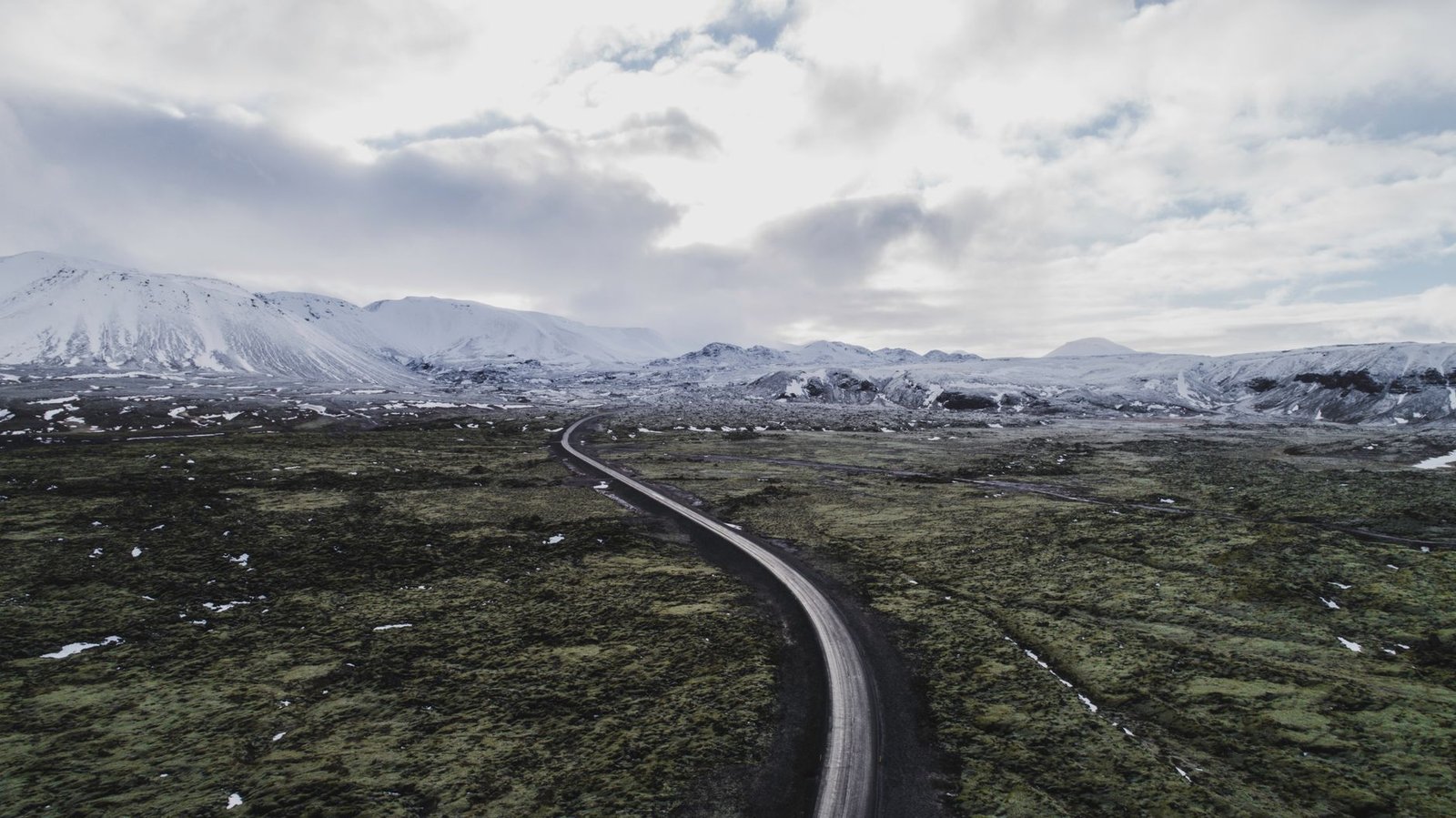

An ultimate road trip itinerary through Iceland Ring Road offers travelers an unmatched opportunity to witness some of the most dynamic and varied landscapes on the planet. Encompassing roughly 1,332 kilometers of paved highway, Route 1 circles the entire island nation, connecting majestic waterfalls, towering glaciers, black sand beaches, and geothermal hot springs into a single, accessible route. Navigating this circumnavigation requires careful planning regarding vehicle selection, weather monitoring, and seasonal timing. Independent travelers navigating this route encounter geological formations shaped by thousands of years of volcanic activity and glacial movement. Designing a successful journey means balancing ambitious driving distances with adequate time for exploration, ensuring safety and enjoyment across diverse terrain.
Understanding the Geography and Route Mechanics of Route 1
The Ring Road, officially designated as Route 1, serves as the economic and tourism backbone of Iceland. Traversing the highway exposes travelers to changing microclimates within short distances. While the southern coast features fertile lowlands and heavy precipitation, the northern regions experience colder temperatures and distinct seasonal variations. Road conditions vary significantly between summer and winter, requiring specific driving techniques and vehicle configurations. Renting a four-wheel-drive vehicle is standard practice for travelers venturing beyond the capital region, particularly when weather forecasts indicate unpredictable precipitation or high winds.
Infrastructure along the route is well-developed, featuring regular fuel stations, grocery stores, and lodging options ranging from traditional guesthouses to modern hotels. However, stretches between eastern fjords and remote northern settlements demand mindful fuel management. Maintaining a fuel level above half a tank prevents unexpected logistical challenges in remote sectors. Familiarity with local traffic laws, such as mandatory headlights at all times and strict zero-tolerance policies regarding driving under the influence, ensures a lawful and safe transit.
Optimal Seasonal Timing for Circumnavigating the Island
Choosing when to undertake the journey dictates the overall experience, accessibility of secondary roads, and daylight availability. Summer provides extended daylight hours, allowing for flexible scheduling and midnight sun photography. Roads in the central highlands and high mountain passes open fully during these months, though popular tourist sites experience higher visitor volumes. Traffic congestion near the capital and major southern attractions peaks between June and August.
Conversely, winter travel introduces unique challenges, including limited daylight, snow-covered roads, and potential storm closures. Yet, this season offers opportunities for witnessing the aurora borealis and experiencing frozen waterfalls without summer crowds. Shoulder seasons, such as May and September, represent a balanced compromise. During these months, traffic remains moderate, weather is transitional, and daylight hours are sufficient for standard daily driving itineraries.
Comprehensive 8-Day Circumnavigation Itinerary
Structuring an eight-day itinerary provides a balanced pace for experiencing major highlights without inducing travel fatigue. This timeframe allows drivers to cover approximately 150 to 250 kilometers per day, leaving ample hours for hikes, sightseeing, and relaxation.
Days 1 and 2: The Capital Region and the South Coast
The journey typically begins in the southwest near Keflavík International Airport, proceeding eastward past Reykjavík. The initial stretch leads through the agricultural lowlands of the south, punctuated by prominent natural landmarks.
- Seljalandsfoss and Skógafoss: These iconic waterfalls offer contrasting experiences. Visitors can walk behind the cascading water curtain at Seljalandsfoss, while Skógafoss features a steep staircase leading to an elevated viewing platform overlooking the coastal plain.
- Reynisfjara Black Sand Beach: Located near the village of Vík í Mýrdal, this stretch of coastline showcases dramatic basalt columns and powerful Atlantic wave action, requiring strict adherence to safety warnings regarding sneaker waves.
- Vatnajökull National Park Sector: Further east, the landscape transitions into glacial terrain, highlighted by Skaftafell’s hiking trails and the floating icebergs of Jökulsárlón glacier lagoon.
Days 3 and 4: The Eastern Fjords and Lake Mývatn
Navigating the eastern fjords involves winding coastal roads characterized by steep cliffs and tranquil fishing villages. This section requires attentive steering and moderate speeds due to sharp turns and occasional gravel segments.
- Djúpivogur and Seyðisfjörður: These settlements offer insight into traditional maritime culture and local art communities. Seyðisfjörður, accessed via a mountain pass, is renowned for its rainbow-colored street leading to a historic blue wooden church.
- Lake Mývatn Geothermal Area: Moving north, the ecosystem around Lake Mývatn features pseudocraters, bubbling mud pools at Namaskard, and the expansive lava fields of Dimmuborgir.
- Goðafoss: Known as the Waterfall of the Gods, this crescent-shaped cascade holds historical significance tied to the adoption of Christianity in Iceland.
Days 5 and 6: Akureyri and the Northern Peninsulas
Akureyri serves as the urban center of the north, offering cultural amenities, botanical gardens, and dining options.
- Húsavík: Positioned along Skjálfandi Bay, this coastal town functions as a primary hub for whale watching excursions, where sightings of humpback and minke whales are frequent during warmer months.
- Tröllaskagi Peninsula: Driving along this northern loop provides views of dramatic peaks and deep valleys before reconnecting with Route 1 toward the west.
Days 7 and 8: Borgarfjörður and Return to the Southwest
The final leg of the journey passes through the historical and agricultural landscapes of western Iceland.
- Deildartunguhver and Hraunfossar: Deildartunguhver is Europe’s most powerful hot spring, supplying geothermal water to surrounding towns, while Hraunfossar features water filtering directly through porous lava fields into the Hvítá river.
- Snæfellsnes Peninsula (Optional Extension): Travelers with extra time often allocate an additional day to explore the Snæfellsnes Peninsula, frequently described as Iceland in miniature due to its diverse geological features, including the Kirkjufell mountain.
Comparative Overview of Seasonal Travel Conditions
| Season | Daylight Hours | Road Conditions | Primary Advantages | Main Challenges |
|---|---|---|---|---|
| Summer (June – August) | 16 to 24 hours | Clear, fully open | Midnight sun, accessible highlands | High tourist density, elevated accommodation costs |
| Winter (November – February) | 4 to 7 hours | Ice, snow, potential closures | Northern lights, fewer visitors | Severe weather, limited driving windows |
| Shoulder (May & September) | 10 to 16 hours | Mostly clear, occasional frost | Moderate crowds, transitional pricing | Unpredictable weather shifts |
Essential Preparation and Safety Guidelines
Executing an ultimate road trip itinerary through Iceland Ring Road demands rigorous adherence to environmental and safety protocols. Weather conditions can shift rapidly, making real-time monitoring of meteorological reports essential before departure each morning.
- Vehicle Insurance: Standard rental agreements often exclude gravel damage, ash and sand damage, and water crossings. Upgrading insurance coverage protects against environmental hazards unique to Icelandic terrain.
- Leave No Trace Principles: The fragile moss ecosystems of Iceland take decades to recover from vehicle tracks or foot traffic. Staying on designated paths preserves natural beauty for future visitors.
- Single-Lane Bridges: Numerous bridges along Route 1 are single-lane structures. Understanding the priority rules—typically the vehicle closest to the bridge has the right of way—prevents accidents.
Frequently Asked Questions
How long does it take to drive the entire Ring Road without stopping?
Continuous driving without significant stops takes approximately 16 to 18 hours under ideal summer conditions. However, doing so misses the purpose of the journey. Allocating a minimum of seven to ten days is recommended to properly experience the route.
Is a four-wheel-drive vehicle strictly necessary?
During summer months, a standard two-wheel-drive vehicle is sufficient for driving the paved Ring Road. Renting a four-wheel-drive vehicle is strongly advised for winter travel, spring conditions, or any plans to explore gravel F-roads in the interior highlands.
Are wild camping and roadside parking permitted?
Wild camping is restricted. Travelers must use designated campsites equipped with proper sanitation facilities. Parking overnight outside of authorized campsites or rest areas along the highway is illegal and subject to fines.
What payment methods are accepted across the country?
Digital payments via credit and debit cards are universally accepted throughout Iceland, even for small purchases and remote automated fuel stations. Carrying cash is generally unnecessary, though having a chip-and-PIN card simplifies transactions at unmanned pumps.
Conclusion
Embarking on an ultimate road trip itinerary through Iceland Ring Road delivers a profound appreciation for geological processes and natural diversity. From the volcanic calderas of the north to the glacial tongues of the south, Route 1 provides structured access to remote wilderness without sacrificing modern conveniences. Successful completion of this journey relies on preparation, respect for local environmental guidelines, and flexibility in the face of shifting weather patterns. By maintaining an appropriate pace and prioritizing safety, travelers gain a comprehensive understanding of the island’s unique ecosystem, ensuring a memorable and structurally sound expedition from start to finish.
Featured Image Credit: Generated/Sourced via Unsplash.
Disclaimer: This article is AI-generated for informational and educational purposes. While we strive to provide high-quality context and authority, the content should not be used as professional advice. The author/website assumes no liability for external links or factual omissions.