


Best Beginner Friendly Hiking Trails in New Zealand
New Zealand offers landscapes that range from ancient temperate rainforests and volcanic craters to dramatic alpine valleys and golden coastlines. For individuals stepping onto a trail for the first time, navigating this diverse terrain can feel intimidating. However, the Department of Conservation maintains a robust network of well-signposted tracks designed specifically for novices. Identifying the best beginner friendly hiking trails in New Zealand allows visitors and locals alike to experience the country’s natural beauty safely, without requiring advanced mountaineering skills or specialized technical equipment.
Understanding New Zealand Walking Track Classifications
Before selecting a specific route, understanding how New Zealand grades its tracks ensures safety and preparedness. The Department of Conservation classifies walking and hiking paths into distinct categories based on physical exertion, terrain difficulty, and navigational requirements. Short walks typically range from a few minutes to an hour, featuring even surfaces with minimal steps or steep inclines. These paths suit people of all ages and fitness levels, including families with young children or travelers recovering from injuries.
Walking tracks demand slightly more stamina and often span a few hours. These routes may feature uneven ground, muddy patches, or moderate slopes, requiring sturdy footwear such as walking shoes or lightweight hiking boots. Understanding these classifications prevents novices from inadvertently selecting backcountry routes that demand alpine experience, river-crossing skills, and self-sufficiency over multiple days. Reviewing official safety guidelines provided by the Mountain Safety Council ensures that novice hikers approach every excursion with realistic expectations regarding weather changes and physical endurance.
Iconic North Island Routes for Novice Hikers
The North Island features geothermal wonders, lush native forests, and coastal paths that provide gentle introductions to the country’s wilderness. One standout option is the Rangitoto Island Summit Track near Auckland. This volcanic cone rises dramatically from the Hauraki Gulf, offering a well-formed track of crushed lava rock and boardwalks. The ascent takes roughly one hour each way through a unique pōhutukawa forest, culminating in panoramic views of the city skyline and surrounding islands. The gradual incline and clear signage make it an ideal introductory walk for those unaccustomed to volcanic terrain.
Further south, the Taranaki Falls track in Tongariro National Park introduces hikers to sub-alpine environments without extreme physical demands. Spanning approximately two hours in a loop format, the trail winds through beech forest and across old lava flows before reaching a dramatic waterfall plunging twenty meters over a historic lava edge. The track is exceptionally well-maintained, featuring gravel paths and wooden boardwalks that protect the delicate volcanic ecosystem. Weather in the national park can shift rapidly, so carrying waterproof layers remains essential, even on clear mornings.
Coastal Escapes on the Coromandel Peninsula
For travelers drawn to marine landscapes, the Coromandel Peninsula delivers accessible coastal walking experiences. The track leading to Cathedral Cove is widely regarded as one of the finest short coastal walks in the country. The path begins at the clifftop car park and winds downward through coastal forest and past secluded sandy coves before descending to the iconic natural limestone archway.
The walk takes approximately forty-five minutes each way. While the path is well-graded, the return journey involves a continuous uphill climb that tests cardiovascular endurance. Visitors pacing themselves and wearing comfortable walking sandals or shoes will find the journey manageable and visually rewarding. Checking local tide charts before departure ensures hikers can safely walk through the archway to explore the adjacent beaches without encountering rising water levels.
South Island Trails Offering Gentle Alpine Scenery
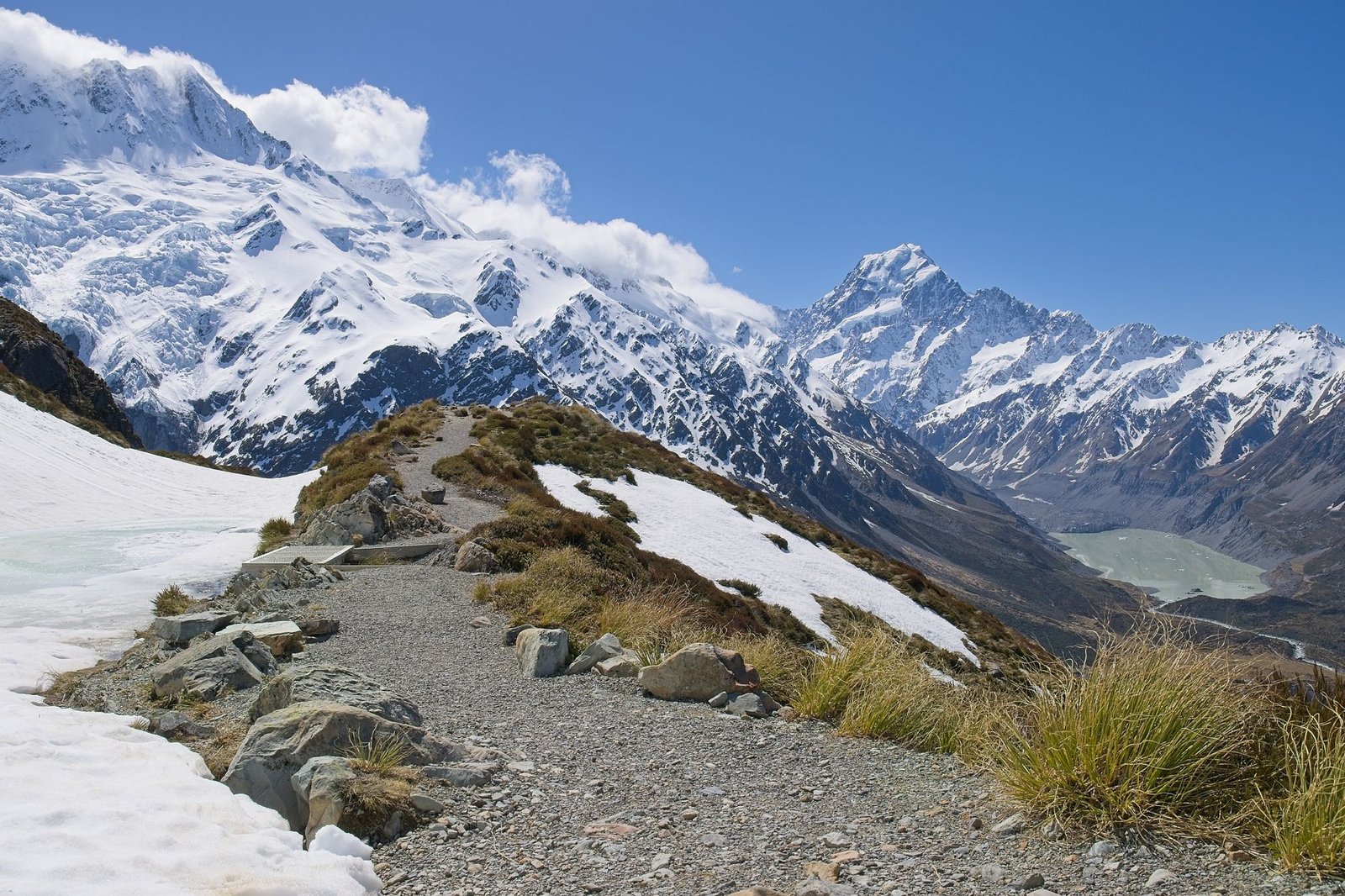
The South Island is renowned for its dramatic Southern Alps, yet it also hosts numerous gentle walking tracks that allow beginners to experience majestic mountain backdrops without tackling strenuous alpine passes. The Hooker Valley Track in Aoraki Mount Cook National Park stands out as an essential destination for novice hikers. This relatively flat track spans ten kilometers return and takes around three hours to complete, crossing three suspension bridges over glacial rivers and offering unobstructed views of New Zealand’s highest peak.
The path consists of well-formed gravel and boardwalks, minimizing the risk of slips or missteps. Informational panels along the route detail the local flora, fauna, and glacial geology, enriching the walking experience with educational context. Because the weather in Aoraki Mount Cook National Park can transition from brilliant sunshine to alpine gales within minutes, carrying windproof and waterproof clothing remains a strict necessity, regardless of the season.
Exploring the Emerald Waters of Nelson Lakes
Nestled at the northern edge of the Southern Alps, Lake Rotoiti in Nelson Lakes National Park provides serene walking opportunities suited to beginners. The Lakeside Track meanders along the shore beneath towering beech trees, offering frequent glimpses of deep blue water and surrounding mountain peaks. The track is largely flat and well-shaded, making it comfortable for walking during warmer summer months.
Avid birdwatchers frequent this area to observe native species such as the bellbird, tūī, and fantail. The gentle nature of the track allows hikers to walk at a relaxed pace, turning back whenever desired without committing to a rigid itinerary. This flexibility reduces pressure on novice hikers who are still discovering their personal physical limits and preferred pacing strategies.
Essential Preparation and Safety Protocols
Embarking on a hike in New Zealand requires adherence to established safety protocols, regardless of a trail’s official difficulty grading. The dynamic island climate means weather conditions can change abruptly, particularly near coastal zones and alpine regions. Checking the official MetService forecasts before heading out prevents unexpected exposure to severe wind, heavy rain, or sudden temperature drops.
Packing the appropriate gear forms the foundation of a successful hike. Even on short, beginner-friendly paths, hikers should carry a daypack containing water, high-energy snacks, a fully charged mobile phone, a basic first-aid kit, and emergency shelter layers. Footwear choice significantly impacts comfort and safety; running shoes with adequate tread are acceptable for short, well-maintained paths, while slightly uneven walking tracks benefit from ankle-supporting footwear.
Respecting local ecosystems is another critical responsibility for all visitors. New Zealand’s flora and fauna evolved in isolation, making them particularly vulnerable to introduced pests and diseases such as Kauri dieback fungus or didymo algae. Cleaning and disinfecting footwear at designated boot-cleaning stations before and after walking helps protect native forests and waterways for future generations.
Comparing Beginner-Friendly Hiking Trails
To assist in planning a New Zealand itinerary, the following table compares key beginner-friendly trails across both islands based on duration, terrain type, and primary highlights.
| Trail Name | Location | Duration (Return) | Terrain Type | Primary Highlights |
|---|---|---|---|---|
| Rangitoto Island Summit | Auckland | 2 hours | Crushed lava, boardwalks | Volcanic cone, panoramic harbor views |
| Taranaki Falls | Tongariro National Park | 2 hours | Gravel, forest paths | Sub-alpine forest, dramatic waterfall |
| Cathedral Cove | Coromandel Peninsula | 1.5 hours | Formed clay, stairs | Limestone arch, secluded golden beaches |
| Hooker Valley Track | Mount Cook National Park | 3 hours | Gravel, boardwalks, swing bridges | Glacial lakes, towering alpine peaks |
| Lake Rotoiti Lakeside | Nelson Lakes National Park | 1 to 2 hours | Flat dirt track, tree roots | Native beech forest, tranquil lake views |
Frequently Asked Questions
What physical fitness level is required for beginner hiking trails in New Zealand?
Most beginner-friendly tracks require only a basic level of cardiovascular fitness and the ability to walk continuously for one to three hours on uneven terrain. Individuals who can comfortably walk briskly on flat surfaces for thirty minutes daily will generally find these tracks manageable.
Are guidebooks or maps necessary for beginner trails?
For short walks and well-formed day tracks, official Department of Conservation signage provides sufficient navigation. However, downloading digital trail maps or carrying a physical park brochure ensures clarity when mobile reception is unavailable in remote valleys.
What is the best time of year to hike in New Zealand?
The summer months between December and February offer the warmest weather and longest daylight hours, making them ideal for hiking. Spring (September to November) and autumn (March to May) also provide pleasant conditions, though mountain weather can remain unpredictable.
Can beginners hike without hiring an outdoor guide?
Yes. Popular short walks and day tracks feature clear markers, well-maintained surfaces, and high visitor volumes, allowing independent travelers to explore safely without professional guiding services.
Conclusion
Exploring the best beginner friendly hiking trails in New Zealand provides an accessible gateway into some of the most visually stunning landscapes on Earth. From volcanic cones in Auckland to glacial valleys beneath the Southern Alps, these carefully maintained paths accommodate varying comfort levels while encouraging outdoor exploration. Prioritizing proper preparation, respecting environmental guidelines, and selecting routes aligned with personal fitness ensure safe and memorable experiences. Embracing these natural environments fosters a deeper appreciation for conservation efforts and sets the stage for future outdoor adventures across the country.
Featured Image Credit: Generated/Sourced via Unsplash.
Disclaimer: This article is AI-generated for informational and educational purposes. While we strive to provide high-quality context and authority, the content should not be used as professional advice. The author/website assumes no liability for external links or factual omissions.