

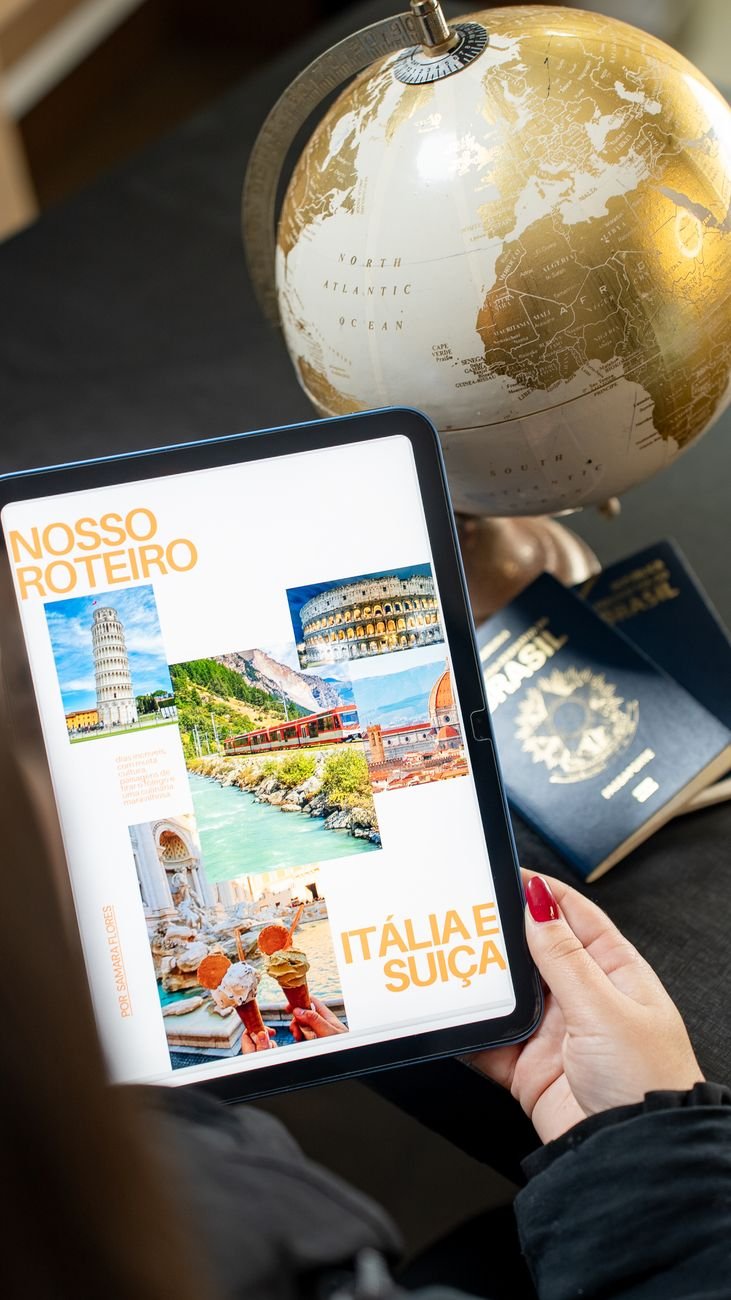

Planning a journey across international borders requires a delicate balance of logistics, timing, and local knowledge. Coordinating flights, securing accommodations, understanding regional transport networks, and preparing for currency fluctuations traditionally involved hours of manual research across paper guidebooks and scattered desktop browser tabs. Today, specialized digital tools streamline the entire process, transforming complex global logistics into manageable steps. Utilizing the best travel apps for planning international trips removes the friction from modern globetrotting, allowing travelers to focus on the cultural and exploratory aspects of their expeditions rather than administrative hurdles.
The Evolution of Digital Itinerary Builders
Constructing a cohesive multi-city or multi-country itinerary requires robust organizational capabilities that static calendar applications often fail to provide. Modern journey management platforms aggregate confirmation emails, flight alerts, hotel bookings, and daily activities into a single synchronized timeline. When flights change or train schedules shift, these platforms automatically update the master schedule, providing real-time notifications to the user.
For comprehensive journey mapping, TripIt remains an industry benchmark. Travelers simply forward confirmation emails from airlines, hotels, car rental agencies, and restaurant reservations to a designated address, and the software automatically parses the data to construct a master itinerary. Premium tiers offer real-time flight tracking, gate change alerts, and terminal maps, which prove invaluable when navigating unfamiliar foreign airports. Another prominent alternative is Wanderlog, which excels at visual route planning. Wanderlog allows users to pin locations on an interactive map, organize daily activities chronologically, and calculate distances between tourist sites, making it exceptionally useful for road trips or dense urban explorations. Sygic Travel provides a similar map-centric approach, integrating 360-degree videos of major monuments directly into the planning interface to help travelers gauge the visual appeal of potential destinations before adding them to the schedule.
Navigating Global Transit Networks
Mastering local transit systems in foreign countries often presents the steepest learning curve for international travelers. Moving efficiently between airports, dense urban subway networks, and regional high-speed rail lines demands precise, up-to-the-minute navigation data.
While Google Maps remains a ubiquitous global standard for walking directions and basic transit routes, localized applications frequently offer superior granularity. Citymapper, for example, provides hyper-detailed transit navigation for major global metropolitan areas, including exact platform recommendations, real-time crowding data, and step-by-step instructions for multi-modal journeys involving buses, subways, and bike shares. For rail travel across Europe, the Eurail/Interrail Rail Planner app or the Trainline platform allows users to compare schedules, purchase mobile tickets, and check seat availability across dozens of national rail networks without needing physical paper passes. Meanwhile, ride-sharing applications such as Uber and Grab operate extensively across North America, Latin America, Europe, and Southeast Asia, offering transparent pricing structures and eliminating language barriers during the payment process.
Accommodation and Lodging Platforms
Securing reliable lodging abroad requires platforms that balance diverse budgetary requirements with verified reviews and flexible cancellation policies. The lodging landscape encompasses everything from luxury boutique hotels to budget-friendly youth hostels and traditional homestays.
Booking.com offers one of the most extensive global inventories of traditional hotels, guesthouses, and resort properties, supported by a loyalty program that grants tiered discounts and complimentary breakfast upgrades for frequent users. For extended stays, remote work scenarios, or immersive neighborhood experiences, Airbnb and Vrbo provide direct access to private apartments, villas, and unique architectural dwellings. Hostelworld serves as an essential resource for solo travelers and backpackers seeking communal environments and social events, featuring detailed community ratings regarding atmosphere, security, and cleanliness. Agoda remains particularly dominant for securing competitive lodging rates throughout Asia, often undercutting Western-centric platforms through regional supplier partnerships.
Financial Management and Currency Conversion
Managing money across international borders involves navigating foreign transaction fees, fluctuating exchange rates, and varying regional payment customs. Relying exclusively on physical cash or traditional credit cards without digital oversight can lead to unexpected banking charges and budgeting miscalculations.
Revolut and Wise function as modern digital banking platforms that allow users to hold multiple currencies, exchange funds at interbank rates, and spend globally using physical or virtual debit cards with minimal markup fees. These tools are indispensable for avoiding predatory conversion rates charged by traditional merchant terminals overseas. For tracking day-to-day expenditures and splitting shared costs among group travel companions, Splitwise automates the accounting process. Users can log shared expenses in any currency, and the app calculates precise balances and settlement amounts, sparing travelers from complex mathematical conversions at the end of the trip. XE Currency remains the gold standard for quick, offline-capable exchange rate calculations, ensuring users understand the local purchasing power of their funds even in remote areas without cellular data connectivity.
Language Translation and Communication Tools
Overcoming language barriers is a fundamental component of successful international travel, influencing everything from reading transit signage to ordering meals and navigating emergency situations. Advanced computational linguistics have made real-time translation accessible directly from handheld devices.
Google Translate continues to lead the market with comprehensive offline language packs, allowing users to download dictionaries for entire countries before departure. Its standout feature is the camera translation tool, which instantly translates foreign text on menus, street signs, and transit boards through the smartphone viewfinder. DeepL offers exceptional contextual accuracy for more complex written translations, proving useful for deciphering local customs regulations or official documents. For spoken communication, iTranslate Voice enables real-time voice translation across dozens of languages, facilitating fluid conversations between locals and travelers without awkward pauses or misinterpretations.
Comparison of Essential International Travel Tools
| Category | Recommended App | Primary Function | Offline Capability | Cost Structure |
|---|---|---|---|---|
| Itinerary Management | TripIt | Centralizes booking confirmations into a master timeline | Limited (Pro version required) | Free / Subscription tier |
| Transit Navigation | Citymapper | Urban transport routing and real-time transit updates | None (Requires live data) | Free |
| Lodging | Booking.com | Hotel and accommodation reservations worldwide | Yes (App view for booked stays) | Free (Commission-based) |
| Financial Tracking | Wise | Multi-currency holding and low-cost international spending | Limited (Requires internet for transactions) | Free card / Variable fees |
| Language Translation | Google Translate | Text, voice, and visual camera translation | Yes (Downloadable language packs) | Free |
Health, Safety, and Documentation Management
Ensuring personal security and maintaining access to vital documentation are critical priorities when journeying across unfamiliar territories. Digital vaults and specialized safety platforms provide peace of mind by securing passport scans, insurance policies, and emergency contacts in encrypted formats.
Apps such as 1Password or Apple Wallet allow travelers to store encrypted digital copies of passports, visas, vaccination certificates, and travel insurance policies securely, ensuring access even if physical documents are lost or stolen. The smartraveller or equivalent government-backed consular services platforms offer real-time safety advisories, embassy contact information, and crisis alert notifications for specific destination countries. Furthermore, downloading offline regional maps via Maps.me ensures that navigation remains functional in remote geographic regions where cellular networks fail to penetrate.
Frequently Asked Questions
Are international travel apps functional without a cellular data connection?
Many specialized travel applications offer robust offline functionality, provided users download the necessary data prior to departure. Translation apps allow full dictionary and camera translation downloads, mapping software permits offline regional navigation, and itinerary managers retain cached schedules. However, real-time updates regarding flight delays, live transit arrivals, and financial transactions require an active internet connection through a local SIM card, international roaming plan, or eSIM provider.
What is an eSIM, and how does it integrate with travel planning apps?
An embedded SIM (eSIM) is a digital SIM card built into modern smartphones that allows users to activate a cellular data plan from a local or regional carrier without inserting a physical plastic card. Travel apps like Airalo or Holafly allow users to purchase and install data packages for specific countries before leaving home, ensuring immediate internet access upon landing and seamless operation of transport, translation, and banking apps.
How do digital itinerary planners handle time zone changes?
Advanced journey management platforms automatically adjust scheduled events, flight times, and hotel check-ins based on the local time zone of the destination device. This synchronization prevents scheduling errors and ensures alarms or reminders activate at the correct local hour.
Is it safe to store financial and passport information in travel apps?
Reputable travel and password management applications utilize advanced encryption standards, biometric authentication (such as Face ID or fingerprint scanning), and secure cloud servers to protect sensitive user data. Travelers should always enable multi-factor authentication on their accounts to maximize security.
Conclusion
Mastering the logistics of global exploration requires moving beyond fragmented planning methods and adopting an integrated digital toolkit. Utilizing the best travel apps for planning international trips ensures that every phase of an expedition—from initial itinerary drafting and currency exchange to transit navigation and linguistic translation—is executed with precision and confidence. By carefully selecting applications that align with specific regional destinations, budgetary parameters, and personal preferences, travelers can minimize administrative stress and maximize the depth of their cultural experiences abroad. Embracing these technological solutions paves the way for seamless, well-organized, and memorable international journeys.
Featured Image Credit: Generated/Sourced via Unsplash.
Disclaimer: This article is AI-generated for informational and educational purposes. While we strive to provide high-quality context and authority, the content should not be used as professional advice. The author/website assumes no liability for external links or factual omissions.